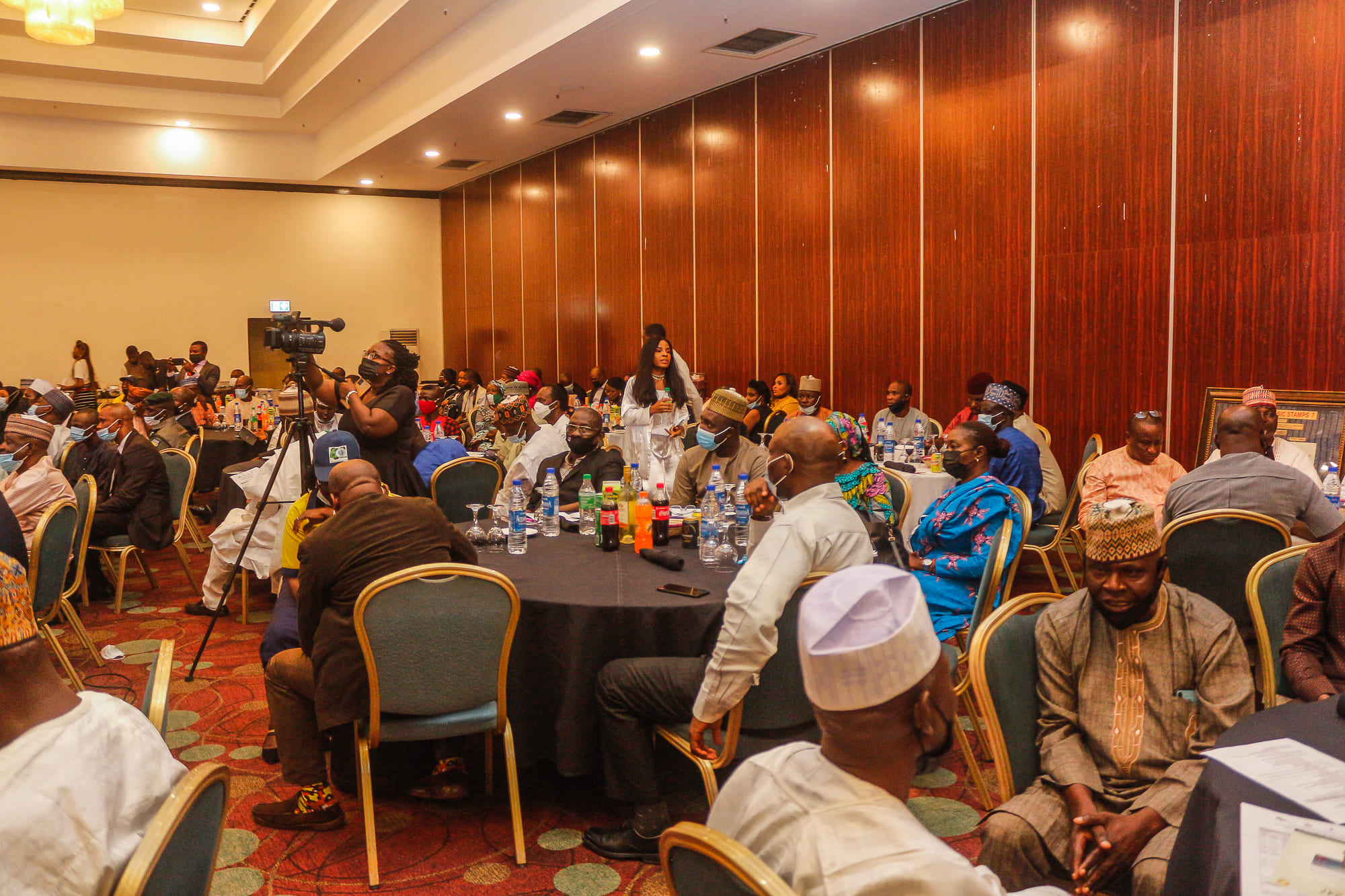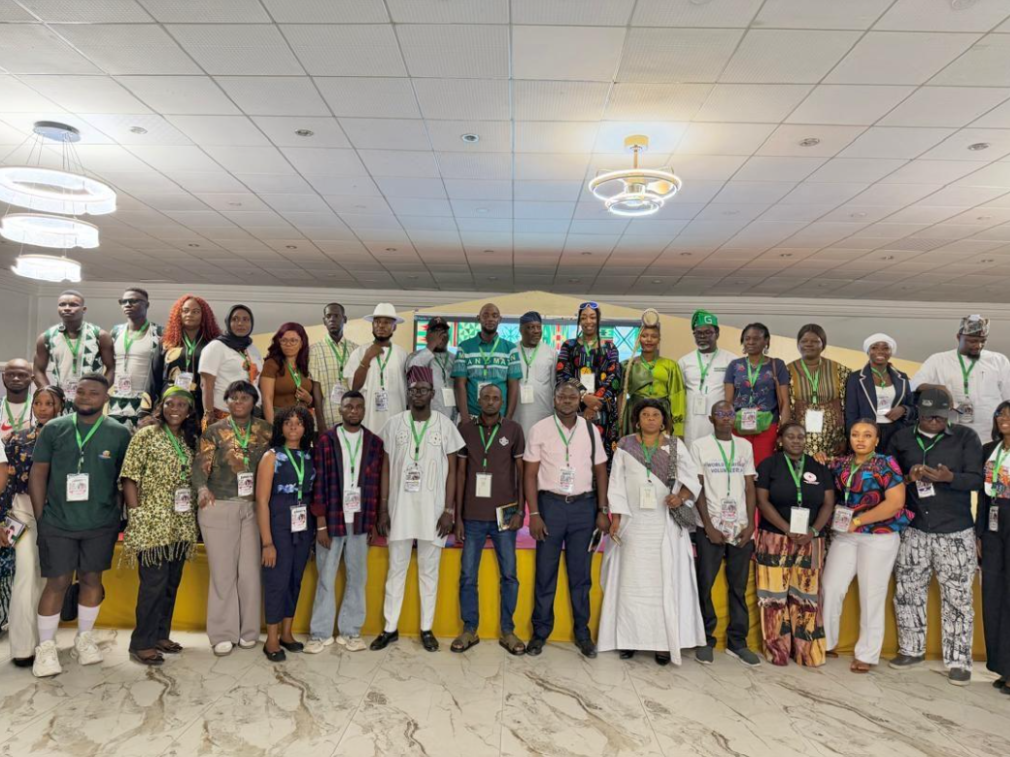
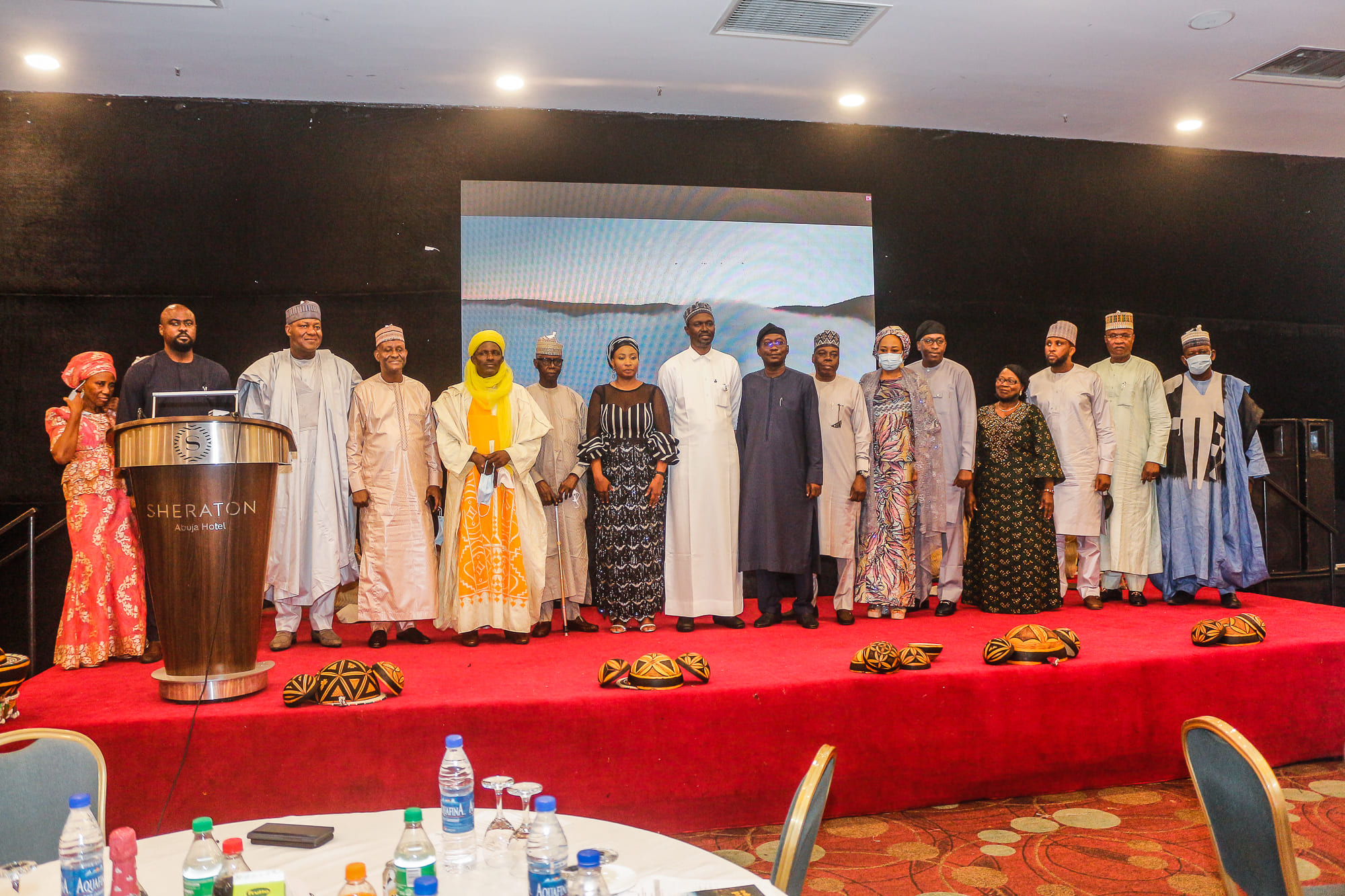
The African International Documentary Festival Foundation (AFIDFF), in collaboration with 21 partner organizations and stakeholders, launched an awareness and mobilization campaign for the restoration of the Sukur Cultural Landscape, Nigeria’s first UNESCO World Heritage Site, at a stakeholders’ meeting and dinner held at the Ladi Kwali Hall, Sheraton Abuja Hotel, on 13 July 2021.
The meeting brought together government representatives, cultural heritage institutions, development partners, members of the diplomatic community, traditional authorities, private-sector representatives and other stakeholders to strengthen national support for the protection, restoration and promotion of the historic Sukur Kingdom in Madagali Local Government Area of Adamawa State.
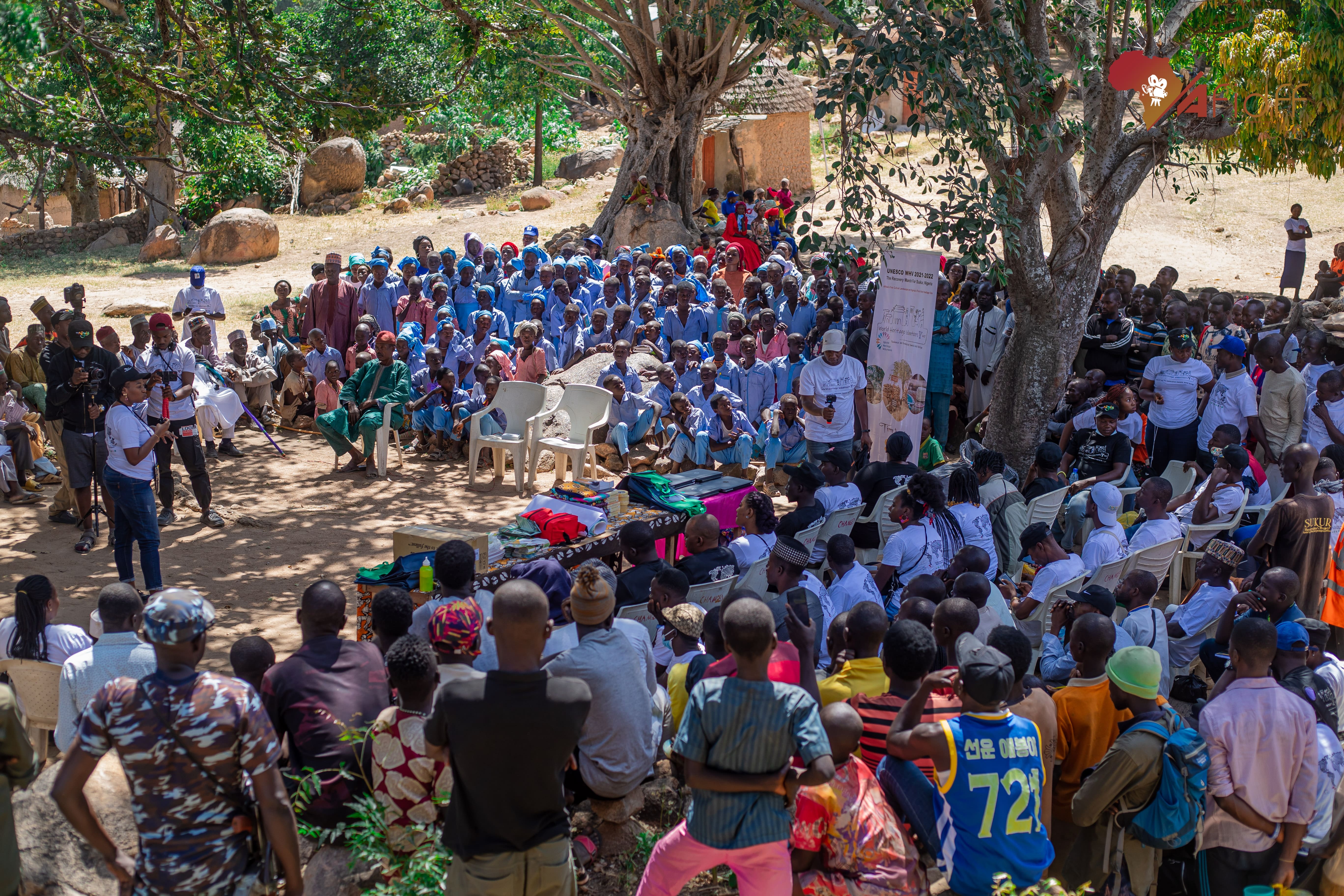
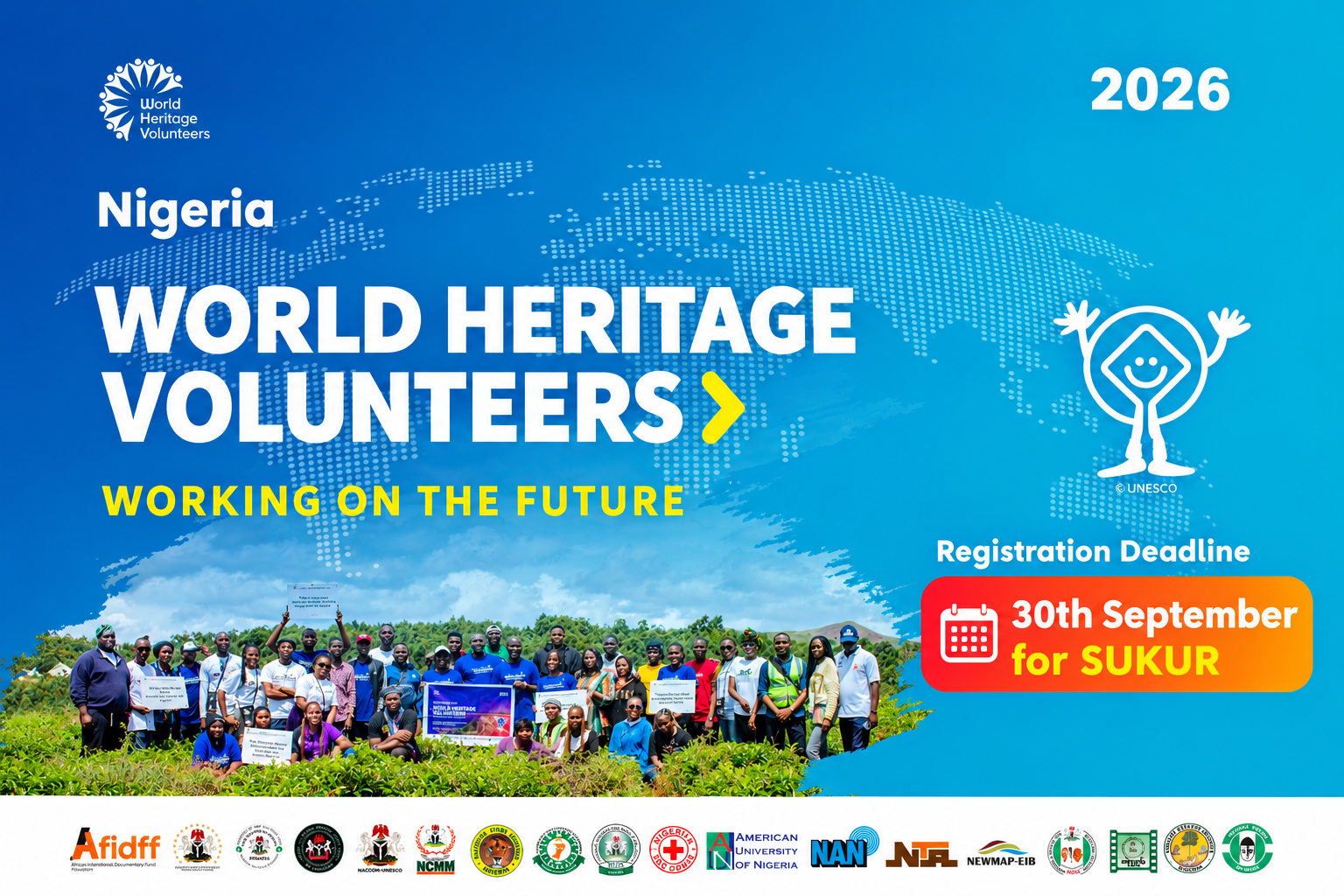
The gathering formed part of the Recovery March for Sukur Cultural Landscape, an initiative coordinated by AFIDFF under the UNESCO World Heritage Volunteers (WHV) Initiative. Its central objective was to mobilize public awareness, institutional partnerships and practical interventions to restore the cultural landscape, safeguard its heritage assets and support the livelihoods of the local community.
Former Speaker of the House of Representatives, Rt. Hon. Yakubu Dogara, who chaired the stakeholders’ engagement, emphasised the need to raise public awareness about the importance of restoring the Sukur Cultural Landscape and preserving its rich cultural heritage.
Dogara noted that tourism could serve as an important avenue for diversifying Nigeria’s economy and called for stronger partnerships among relevant stakeholders to support the restoration and development of the Sukur site.
He highlighted the importance of collective action in protecting the landscape, promoting its cultural significance and unlocking its potential to contribute to tourism development and local economic growth. The meeting provided a platform for government institutions, heritage professionals, development partners and other stakeholders to discuss how coordinated interventions could support the recovery of the site and improve the well-being of its host community.
The Director-General of the National Commission for Museums and Monuments (NCMM), Professor Abba Tijani, called for improved conservation of the Sukur heritage property. Represented by the Commission’s Director of Monuments, Heritage and Sites, Mrs Victoria Osuagwu, Tijani described Sukur as a living heritage site whose preservation must go hand in hand with the development and well-being of the people who inhabit the landscape.
He urged stakeholders to contribute to improving local living conditions while supporting the development, conservation and long-term sustainability of the heritage property.
His remarks highlighted the need for a holistic approach to restoration, one that protects Sukur’s tangible and intangible heritage while ensuring that conservation efforts deliver meaningful benefits to the local community.
Mr Olagunju Idowu, Secretary-General of the Nigerian National Commission for UNESCO, also stressed the need to address the dramatic alteration and damage to the rich cultural heritage of the Sukur Landscape. Represented by Mrs Roseline Kurah, Assistant Director and Head of the Culture Sector at the Commission, Idowu emphasised that recovering and rebuilding the heritage site was important not only to Nigeria but also to the international community.
He called for sustained commitment from the Federal Government, the Adamawa State Government and other stakeholders to protect Sukur and Nigeria’s other heritage sites.
The remarks reinforced the significance of Sukur as a heritage property of outstanding universal value and the shared responsibility of government, institutions and communities to safeguard it for future generations. The stakeholders’ meeting was attended by the Secretary to the Adamawa State Government, who represented the Governor, and the Chairman of the North East Development Commission (NEDC), Major General Paul Tarfa (Rtd.), who was present and expressed his full support for the restoration initiative. Also in attendance were a former Governor of Adamawa State; ambassadors and diplomatic representatives of Venezuela, Australia, India and the Republic of Korea; Nollywood stars Jim Iyke representatives of the Nigerian Television Authority (NTA), alongside other government officials, development partners and stakeholders committed to the restoration and preservation of the Sukur Cultural Landscape.
The participation of these stakeholders reflected the importance of building a broad coalition to support restoration, heritage conservation, public awareness and sustainable tourism development at Sukur.
The engagement also provided an opportunity to draw attention to the cultural and historical significance of the site, renowned for its distinctive dry-stone architecture, terraced agricultural landscape, traditional settlements and living cultural practices.
The landscape had suffered significant damage and disruption as a result of insurgency, making restoration, documentation and renewed community support urgent priorities. The campaign therefore sought to mobilise technical assistance, funding, volunteer participation and institutional cooperation to support the recovery process.
The Abuja meeting followed an earlier stakeholder engagement in Yola, Adamawa State, in April 2021, hosted by the Adamawa State Government. Together, the engagements helped establish the partnerships and community involvement needed to advance the restoration programme and prepare for the UNESCO World Heritage Volunteers action camp.
The Abuja event also featured the screening of a documentary about Sukur and the unveiling of an image of the cultural landscape on a Nigerian postage stamp through the Nigerian Postal Service. These activities were designed to raise awareness of Sukur’s heritage significance and promote the site nationally and internationally.
The Governor of Adamawa State, Ahmadu Umaru Fintiri, also expressed support for the restoration and development of Sukur. The state government’s engagement formed part of broader efforts to encourage collaboration between public institutions, heritage organizations and development partners.
Commenting on the initiative, AFIDFF Director-General, Malame Ngamariju Mangzha, emphasized the need for collective action and sustained partnerships to restore the Sukur Cultural Landscape, preserve Nigeria’s and Africa’s cultural heritage, and support the livelihoods of the local community.
The initiative focused on more than the physical restoration of heritage features. It also sought to strengthen local livelihoods, encourage youth participation and build greater understanding of the value of World Heritage. Volunteers engaged with Sukur’s traditional architecture, handicrafts, stone walls and mountain pathways while learning about conservation and the importance of protecting a living heritage site.
The Abuja stakeholders’ meeting marked an important milestone in AFIDFF’s efforts to mobilize national and international support for the restoration and promotion of the Sukur Cultural Landscape.
By bringing together 21 partner organizations and a broad range of stakeholders, the campaign sought to establish a shared sense of responsibility for protecting Sukur, sustaining its living traditions and ensuring that restoration efforts also benefit the people who call the landscape home.
AFIDFF continues to promote collaborative approaches that connect cultural heritage preservation with education, youth empowerment, environmental sustainability, tourism development and community livelihoods.
The 2021 stakeholder engagement remains a significant example of how advocacy, institutional partnerships and volunteer action can help mobilize support for the recovery and long-term protection of Africa’s cultural heritage.