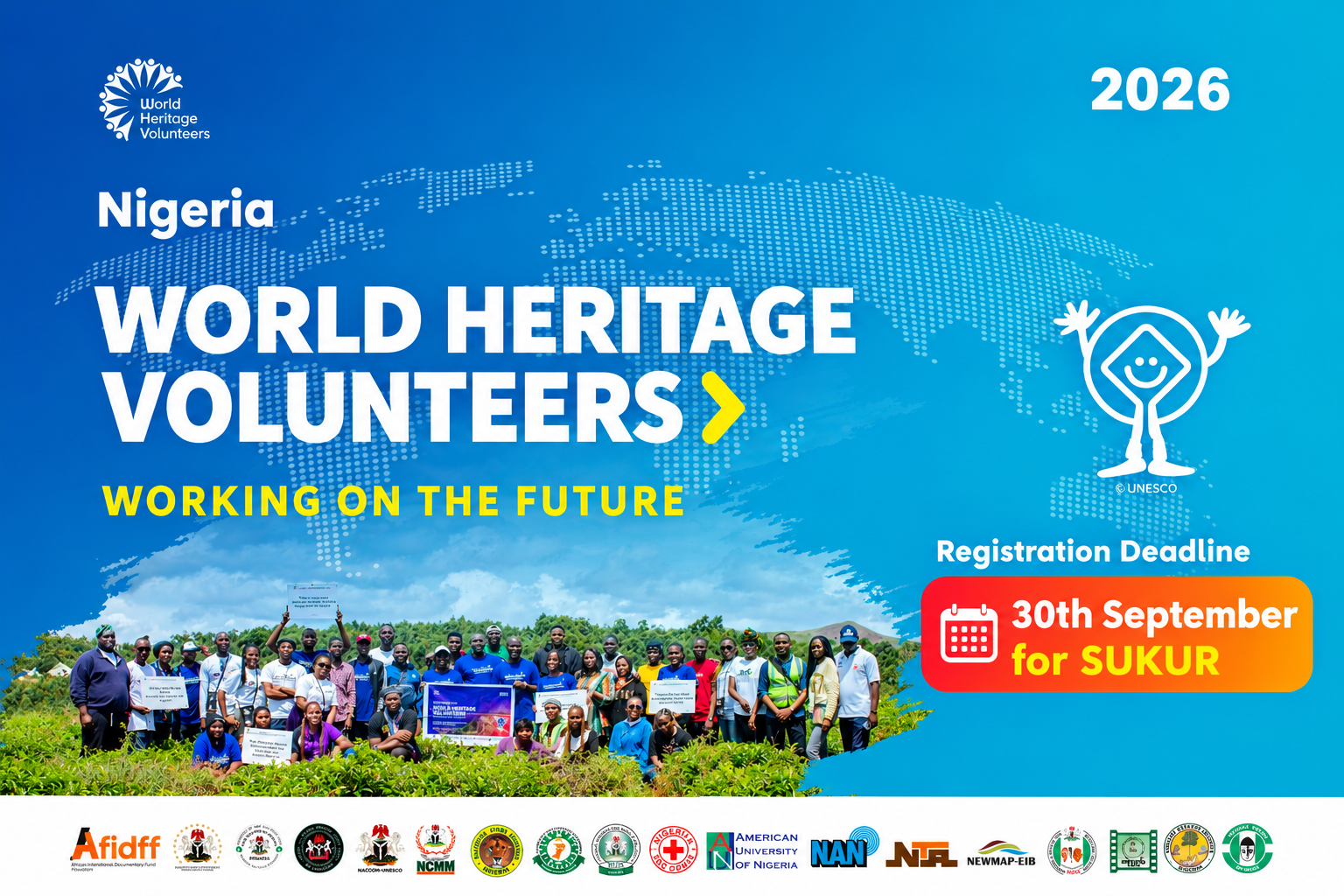

UNESCO WHV Initiative 2025:
Working On The Future
Ancient Kano City Walls:
Dates: 19th - 26th October
Gashaka Gumti National Park:
Dates: 24th September - 1st October
Sukur Heritage Site:
Dates: 2nd - 9th November
About the UNESCO World Heritage Volunteer Initiative (WHV)
The World Heritage Volunteers Initiative (WHV)was launched in 2008 by the UNESCO World Heritage Centre in collaboration with the Coordinating Committee for International Voluntary Service- (CCIVS) within the framework of the UNESCO World Heritage Education Programme.
The program was initiated to encourage young people to undertake concrete actions and play an active role in the protection, preservation and promotion of World Heritage. It consists of action camp projects organized by organizations or institutions, involving national and international volunteers in awareness-raising and hands on activities. These projects are implemented in cooperation with multiple stakeholders and partners, including the local communities, who work together towards the preservation of our common cultural and natural heritage. The initiative has grown into a dynamic and diverse effort, showcasing the impressive contributions of organizations, young volunteers, and communities dedicated to heritage conservation. Activities include conservation efforts, restoration projects, educational programs, awareness-raising campaigns, and community engagement initiatives. The World Heritage Volunteers Initiative is now coordinated by Better World in Africa.
The African International Documentary Festival Foundation (AFIDFF) and its partners invite passionate volunteers and participants to register for the 2025 UNESCO World Heritage Volunteers (WHV) Initiative at the Ancient Kano City Walls and Associated Sites in Kano State, Nigeria. Scheduled for September 7th to 17th, 2025, this year’s project is themed:
“Preserving the Legacy of Ancient Kano as a Historic Urban Landscape for Future Generations.”
This is a unique opportunity to contribute to the preservation of one of Africa’s oldest surviving city walls, engage in meaningful cultural exchange, and be part of an international movement to protect heritage for future generations.
For the first time, UNESCO has approved AFIDFF and its implementing partners to host a WHV action camp in Kano State, further expanding the reach and impact of cultural heritage conservation efforts in Nigeria.
Join us as we make history by safeguarding Kano’s rich architectural and cultural legacy!
About the Ancient Kano City Walls Heritage Project
The UNESCO World Heritage Volunteers (WHV) Initiative 2025 aims to engage youth in the protection, preservation, and promotion of World Heritage and heritage sites with Outstanding Universal Value (OUV).
This project focuses on the Ancient Kano City Walls and Associated Sites, including Dala Hill, Kurmi Market, and the Emir’s Palace, a heritage complex reflecting a century of indigenous urban development, commerce, and traditional authority. The site is currently on Nigeria’s UNESCO Tentative List, and the initiative supports efforts toward its formal nomination for World Heritage status.
This program brings together youth from diverse backgrounds to participate in hands-on conservation and awareness activities, supporting the goals of the 1972 Convention concerning the Protection of the World Cultural and Natural Heritage.
The Ancient Kano City Walls and Associated Sites are selected to be among 89 action camp projects that will be implemented from April to December 2025 at 82 World Heritage properties and sites on the Tentative Lists, by 70 organizations in 41 countries around the globe. With the theme: “Preserving the Legacy of Ancient Kano as a Historic Urban Landscape for Future Generations.”
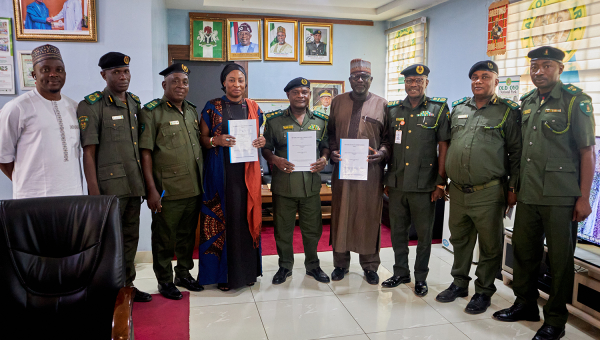
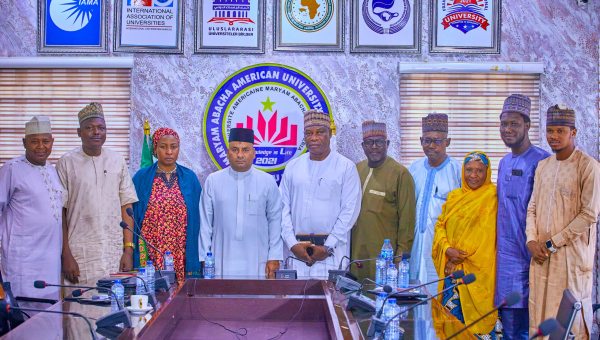
The Kano edition is being implemented by the African International Documentary Festival Foundation (AFIDFF) with the Maryam Abacha American University of Nigeria in collaboration with the Nigerian National Commission for UNESCO (NATCOM) and other national and local stakeholders. Through volunteer activities such as conservation training, digital documentation, storytelling, and cultural engagement, the project will promote youth participation, community ownership, and global awareness of Kano’s remarkable heritage.
Project Goal
The project aims to digitally document key attributes of the Ancient Kano City Walls, Dala Hill, Kurmi Market, and the Emir’s Palace to support their preservation, conservation and restoration. This initiative seeks to raise awareness and document the rich history, traditions, and architectural significance of these sites for global recognition while showcasing their potential as sites of Outstanding Universal Value (OUV) in preparation for a nomination dossier for inclusion in the World Heritage list.
Project Activities
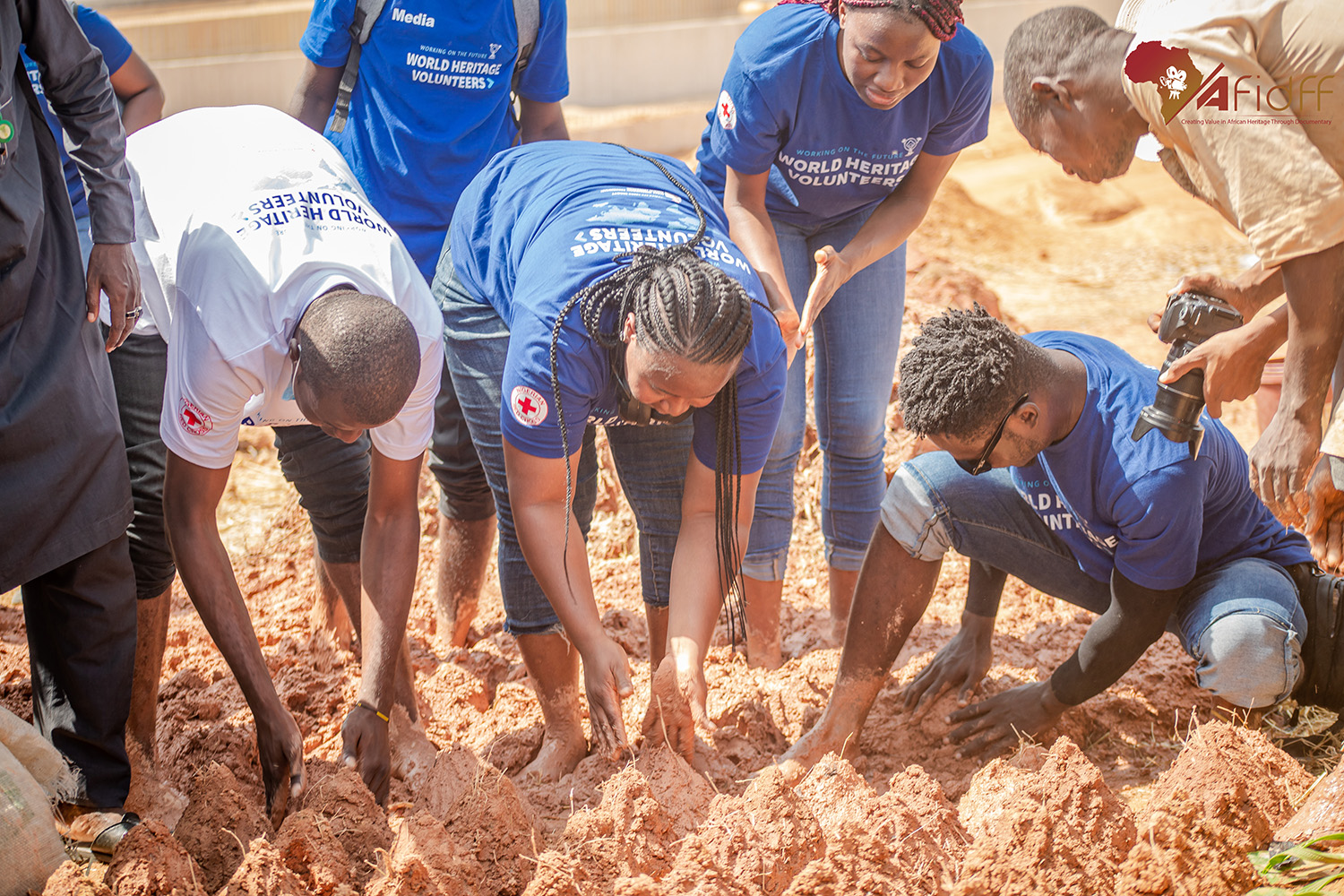
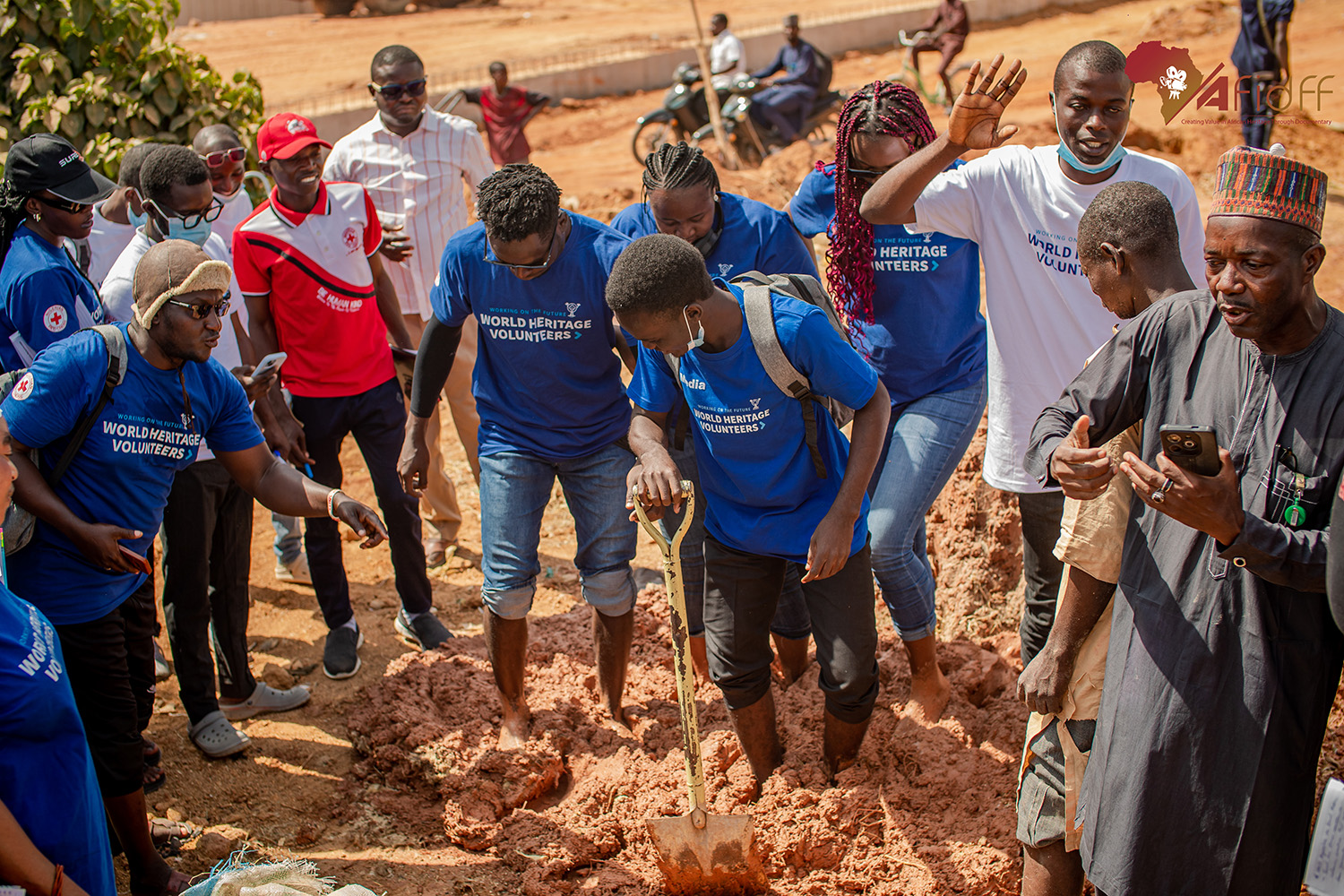
The volunteers will engage in conservation workshops and hands-on restoration of sections of the Ancient Kano City Walls and Kurmi Market stalls, with training in traditional building techniques. Heritage Tours and Storytelling, Educational tours of Dala Hill, Kurmi Market, and Emir’s Palace, Community Engagement and Clean-up and greening campaigns, cultural exhibitions, and traditional performances to celebrate and promote local heritage. Workshops for Youth Empowerment focusing on sustainable tourism, entrepreneurship, and heritage conservation. Training in media creation, including documentary production, photography, and digital storytelling, to showcase the sites, program activities, and support awareness campaigns.
About the Ancient Kano City Walls and Associated Sites, Nigeria
Cultural property inscribed on the World Heritage List (2007)
The Ancient Kano City Wall and Associated Sites represent one of the most significant cultural landscapes in sub-Saharan Africa, showcasing centuries of urban development, indigenous engineering, commerce, and cultural interaction in the Sahelian region. Located in Kano State, Nigeria, the city walls, together with Dala Hill, Kurmi Market, and the Emir’s Palace—offer a powerful narrative of resilience, governance, and urban planning that predates colonial influence.
Constructed between the 11th and 16th centuries, the walls were initiated under Sarki Gijimasu (1095–1134) and later completed during the reign of Zamnagawa in the 14th century. The walls, gates, and defensive structures were designed to provide security to the ancient city and regulate the movement of people and goods. Over time, they became a symbol of authority, urban identity, and architectural ingenuity.
The associated sites, Dala Hill, Kurmi Market, and the Emir’s Palace, are intrinsic components of Kano’s heritage ecosystem:
Dala Hill is the earliest known settlement in Kano, believed to date back to the 10th century AD, offering archaeological insights into pre-Islamic traditions and ancient metallurgy.
Kurmi Market, one of the oldest and largest markets in Africa, is a historical commercial hub that facilitated trans-Saharan trade in textiles, crafts, and agricultural goods.
The Emir’s Palace remains a living institution and a custodian of traditional authority and culture, reflecting the socio-political continuity of the Kano Emirate.
Although much of the original wall has suffered deterioration due to neglect, urban encroachment, and modernization pressures, sections of it remain visible and retain significant historical and cultural value. These attributes collectively establish the site as possessing Outstanding Universal Value (OUV), the central criterion for inclusion on the UNESCO World Heritage List. Currently, the Ancient Kano City Wall and Associated Sites are on Nigeria’s UNESCO Tentative List, a prerequisite stage for World Heritage nomination.
Involvement of International Volunteers
International volunteers will serve as cultural ambassadors for the Ancient Kano City Walls and Associated Sites, promoting heritage conservation and cross-cultural dialogue. Their presence will foster international collaboration, strengthen advocacy for African heritage, and amplify the global relevance of the site.
Skills Learned by Volunteers
Skills Learned by Volunteers: Teamwork, cultural awareness, environmental education, project management, resilience, fieldwork, and research skills.
Volunteer Role
Participate in hands-on restoration of the ancient walls and market structures using mud bricks (tubali), earth plaster, and natural binding materials.
Support clean-up and greening campaigns to enhance the site’s physical and visual integrity.
Learn about the historical significance of Dala Hill, Kurmi Market, and the Emir’s Palace through expert-led tours.
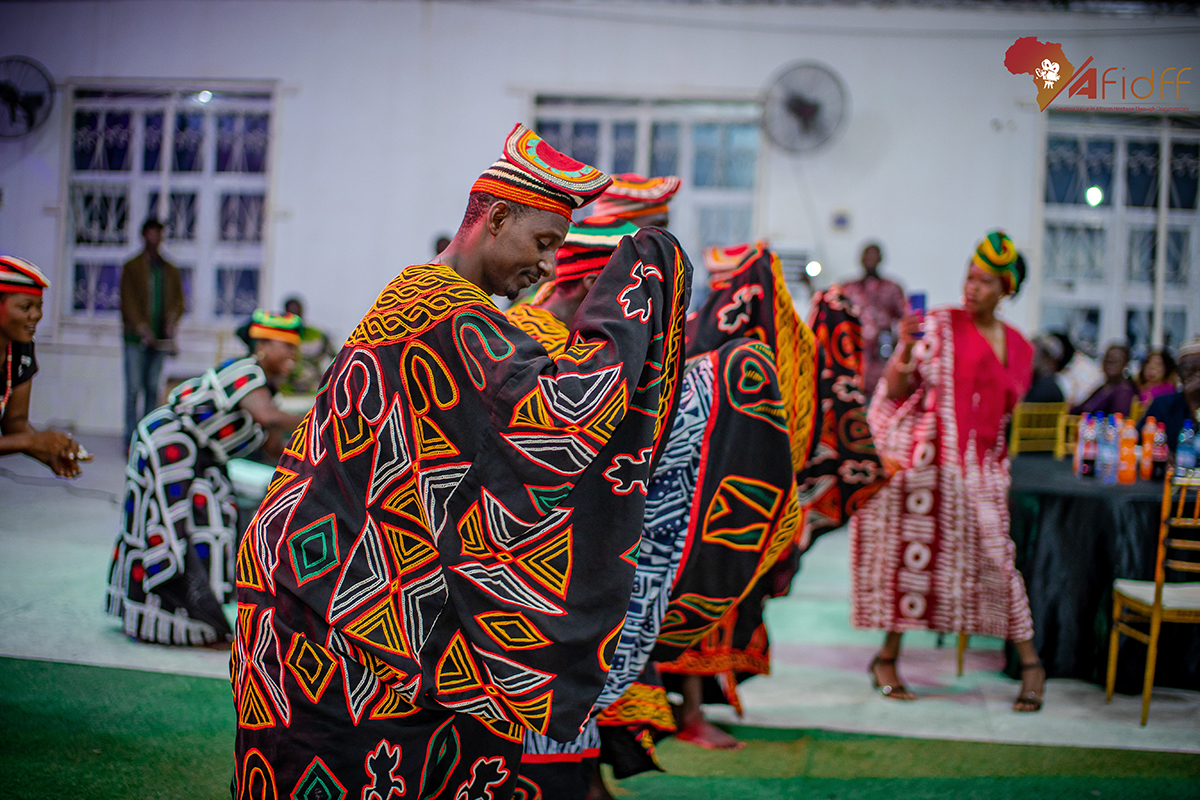
Engage in cultural workshops with local artisans, exploring crafts like tie-dye, leatherwork, metalwork, traditional handloom weaving, and wood carving.
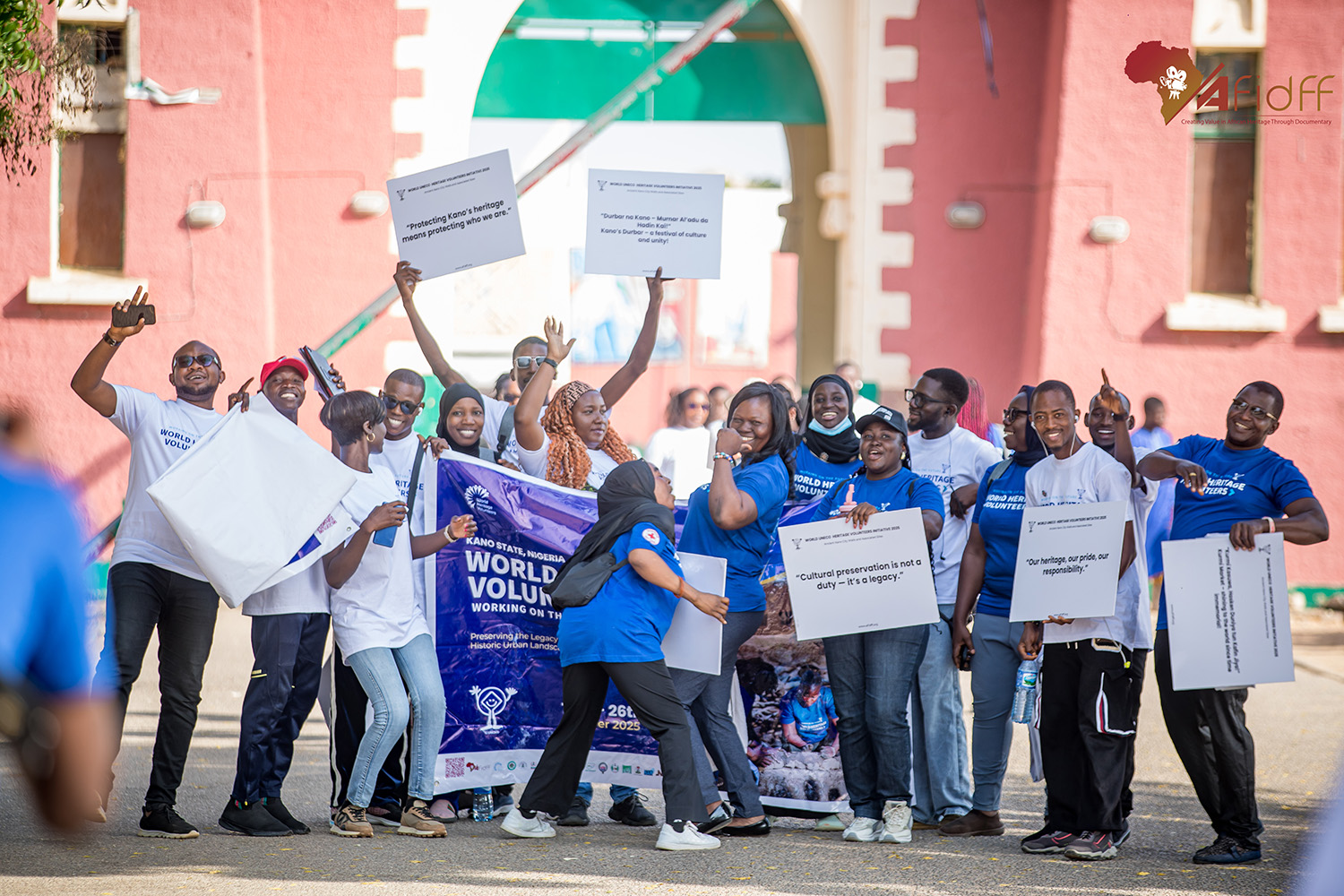
Join in street theatre, heritage storytelling sessions, and exhibitions aimed at educating the public about Kano’s cultural legacy.
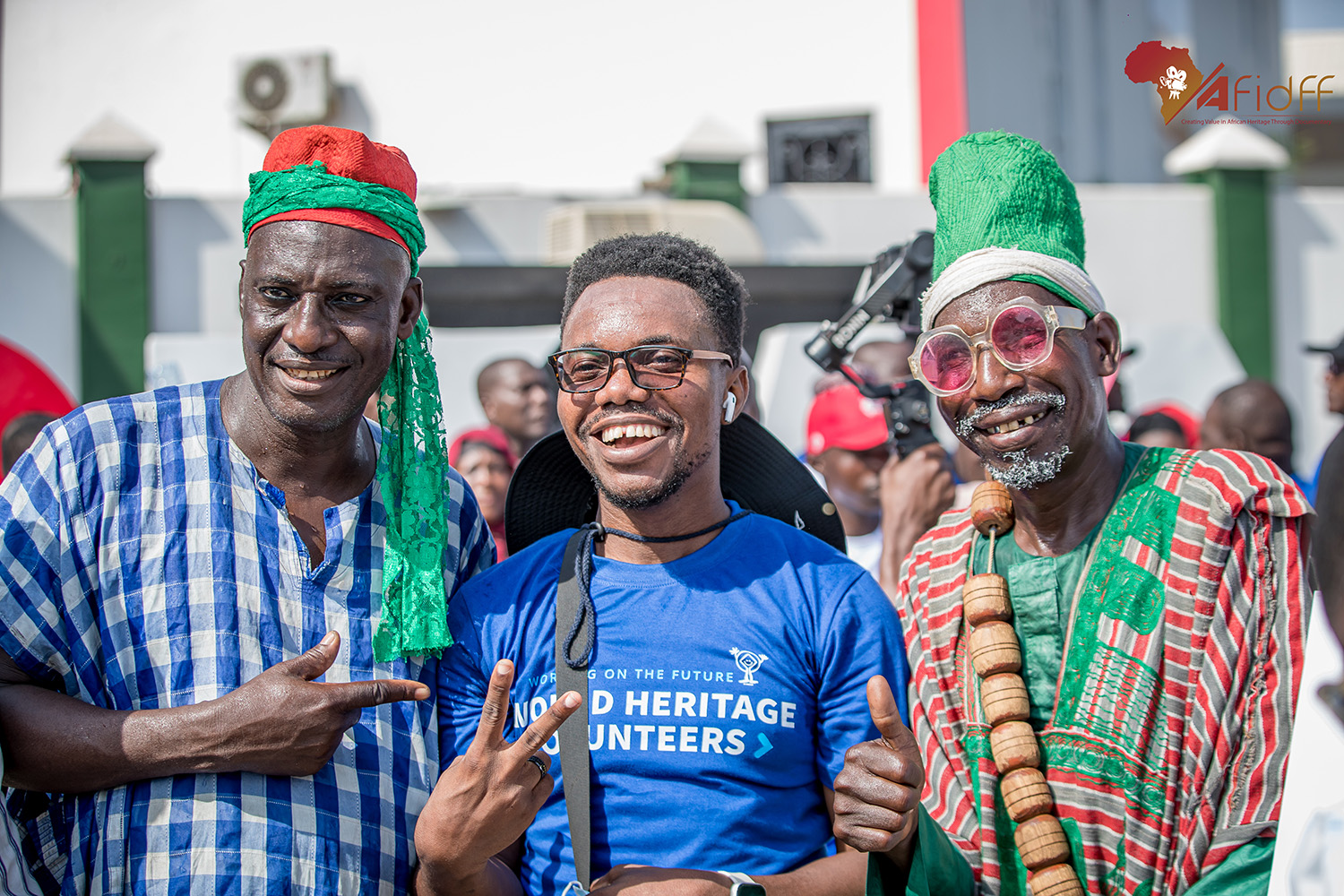
Collaborate with local youth, artisans, traders, and women’s groups on participatory cultural events and entrepreneurial showcases.
Co-create digital media (videos, short documentaries, photography) that capture the project’s activities and raise awareness on social platforms.
Contribute to youth-focused workshops on sustainable tourism, digital marketing, and heritage-based innovation.
Volunteers will participate in the digital mapping of key features of the palace (gates, halls, courtyards).
Volunteer Benefits
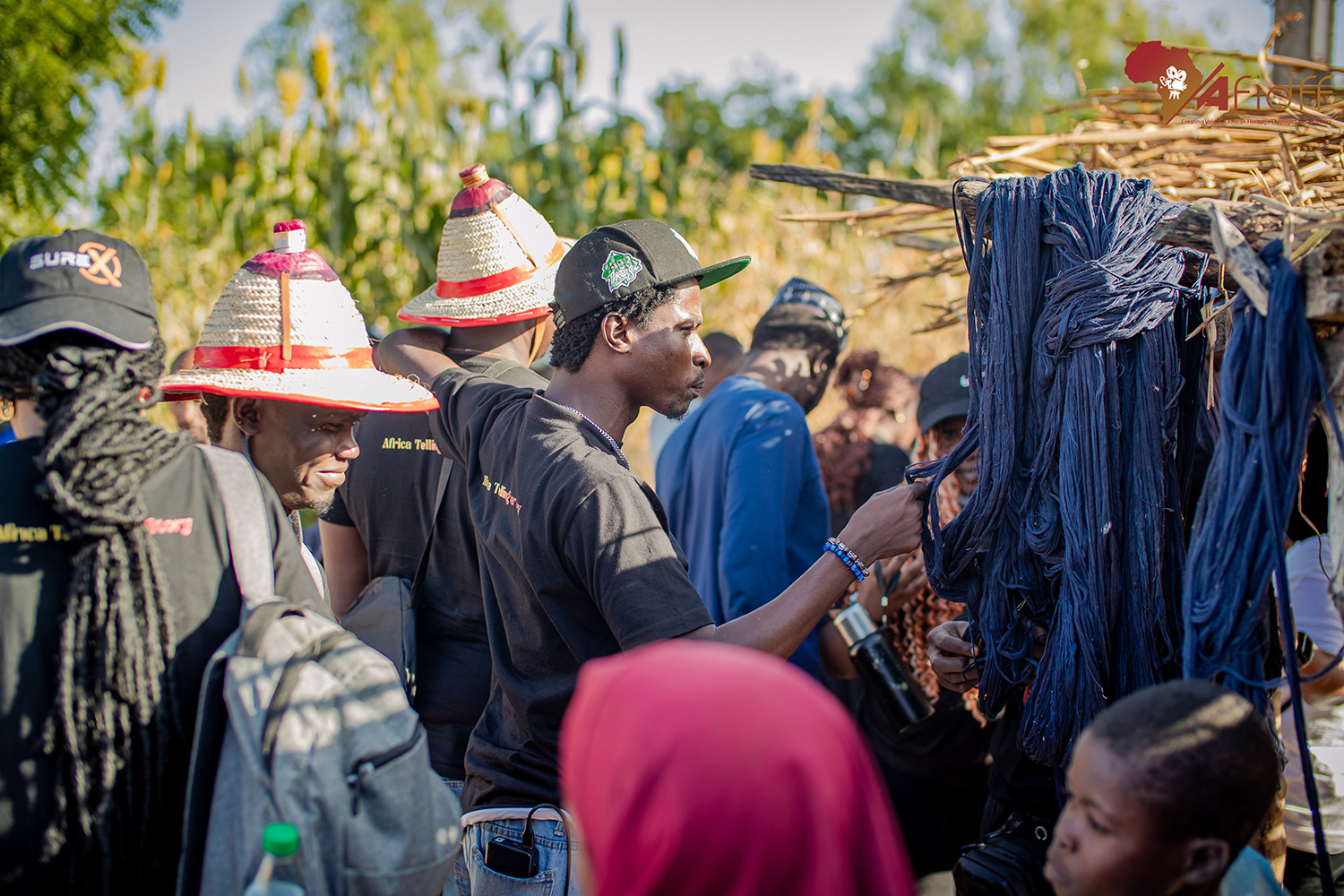
Volunteers will learn about the centuries-old tradition of indigo dyeing at Kofar Mata, established in the 15th century. They will explore how this craft contributed to Kano’s reputation as a textile and cultural capital in the trans-Saharan trade network.
Receive an official certificate from the implementing organizations and UNESCO-affiliated bodies, recognizing your contribution.
Gain firsthand knowledge of Kano’s rich history, dating back to the 10th century AD, including its early settlement at Dala Hill, traditional governance, and evolution into a major Sahelian trade center.
Experience how ancient city planning, architecture, and cultural identity have shaped Kano's development over centuries, offering a living example of indigenous African urbanization.
Improve teamwork, leadership, media literacy, heritage interpretation, and technical restoration skills.
Strengthen bonds between local and international volunteers, and support inclusive community development.
Connect with experts, scholars, government officials, development partners, and fellow youth leaders from around the world.
Be part of a lasting initiative contributing to documentation for a future re-evaluation of Kano’s heritage status.
Gain skills in photography, mapping, video production, and oral history collection for heritage promotion.
Eligibilities
Volunteers must be at least 18 years old. There is no upper age limit, but participants should be physically fit to meet the demands of the program.
Volunteers must be available for the entire duration of the program, which typically lasts for 10 days
Proficiency in English is required as it is the primary language of communication during the program.
A genuine interest in conservation, wildlife protection, and cultural heritage is essential.
The ability to work well in a team is crucial as volunteers will be collaborating with others in various activities.
Volunteers must be in good physical health and able to participate in physically demanding activities such as hiking, camping, manual labor, and other outdoor tasks.
Volunteers must provide a medical certificate confirming they are fit to participate in the program at the point of registration during the camp.
Volunteers should disclose any allergies or chronic medical conditions that may affect their participation. Necessary medications and medical supplies should be brought by the volunteers.
Comprehensive health insurance that covers international travel and activities in remote areas is mandatory for international volunteers
Eligible Regions - Open for All
Dates: 7th to 17th September, 2025
Participant Fees:
International Volunteers: $150, excluding travel expenses.
Local Volunteers: N35,000, Excluding travel expenses.
(The Participation fees include – Accommodation, food, materials for hands-on activities, and Local Transportation for the duration of the entire program)
NOTE: Spaces are limited to on a first-come, first-served basis.
Reference Link to UNESCO Website: https://whc.unesco.org/en/volunteers2025/
Registration Deadline: 31st July 2025
Join us in preserving Kano’s rich legacy and empowering future generations!
Implementing Partners 2025
Kano State Government
Kano State Ministry of Tourism and Culture
Federal Ministry of Arts, Culture, Tourism and Creative Economy
National Commission for Museums and Monuments
National Council for Arts and Culture
Nigerian Tourism Development Authority
Nigerian Red Cross Society
Centre for Black and African Arts and Civilisation
National Institute for Cultural Orientation
Kannywood
Nigerian Film and Video Censors Board
Maryam Abacha University Kano
National Troupe of Nigeria
Herwa Heart of Arts Initiative
Bayero University Kano
Kano State Traditional and Emirate Council
Kano State Local Government Council
Artisans and traders from Kurmi Market
Youth and women’s associations in Kano
Nigerian Television Authority
News Agency of Nigeria
Local Media Organisations


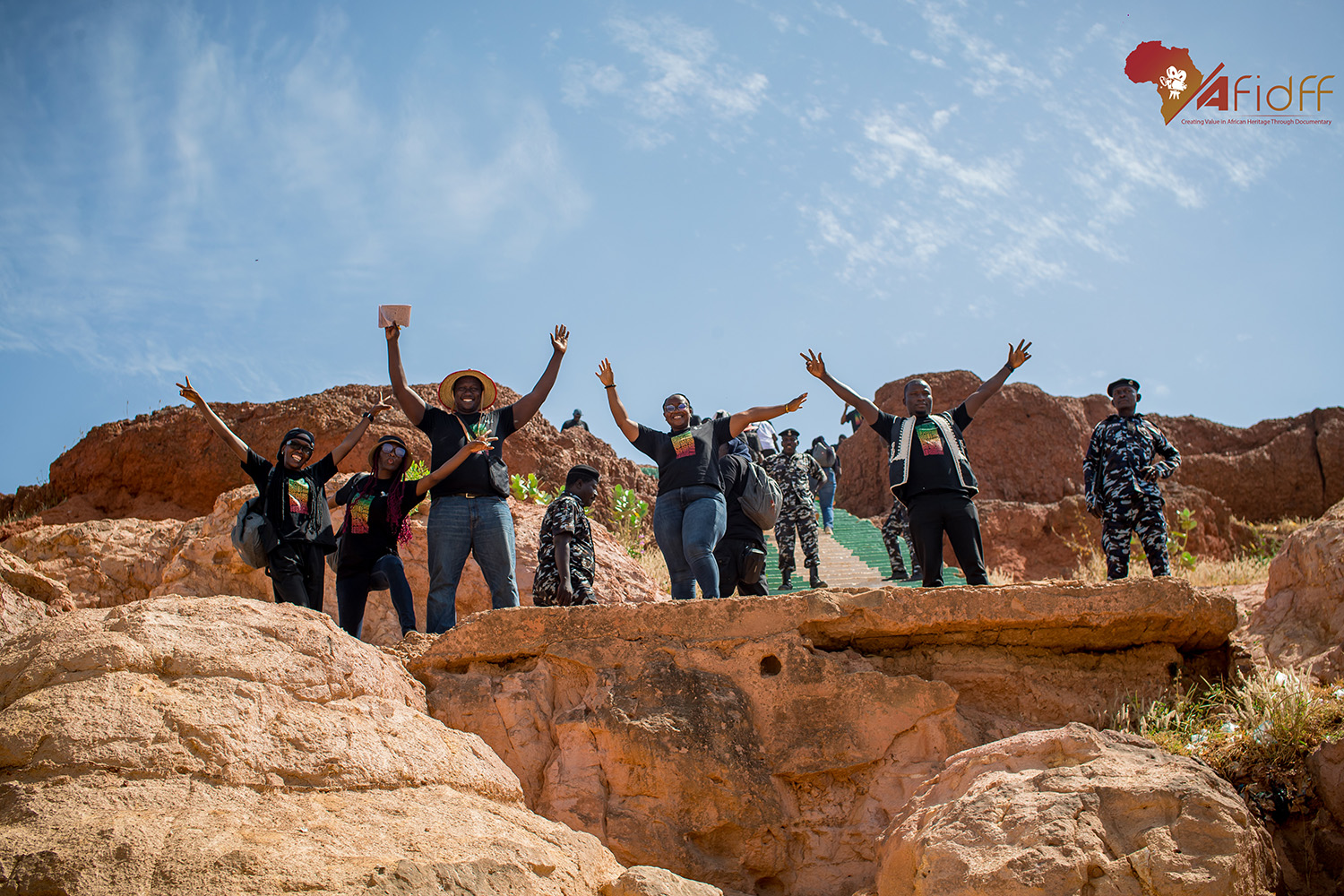


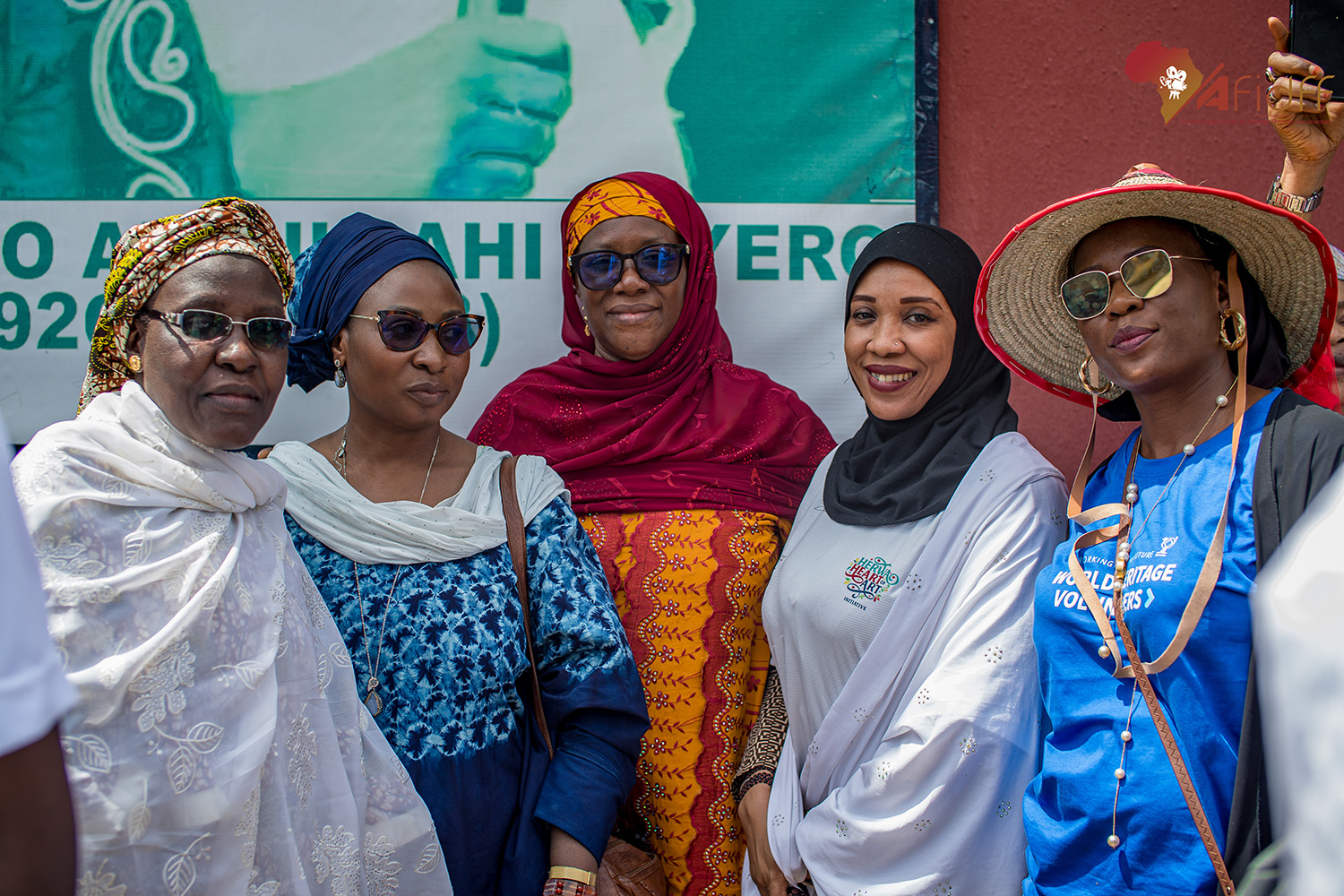


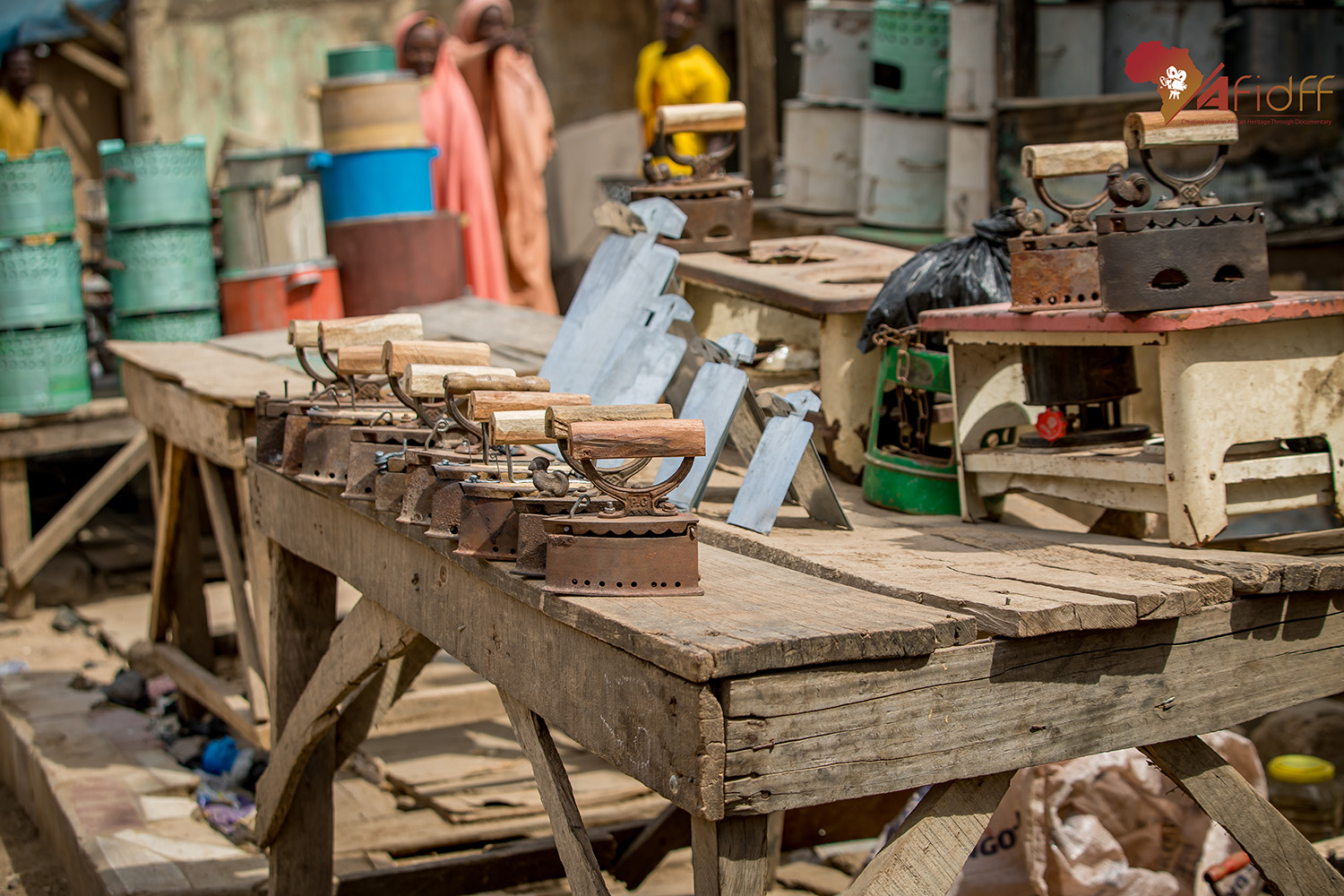


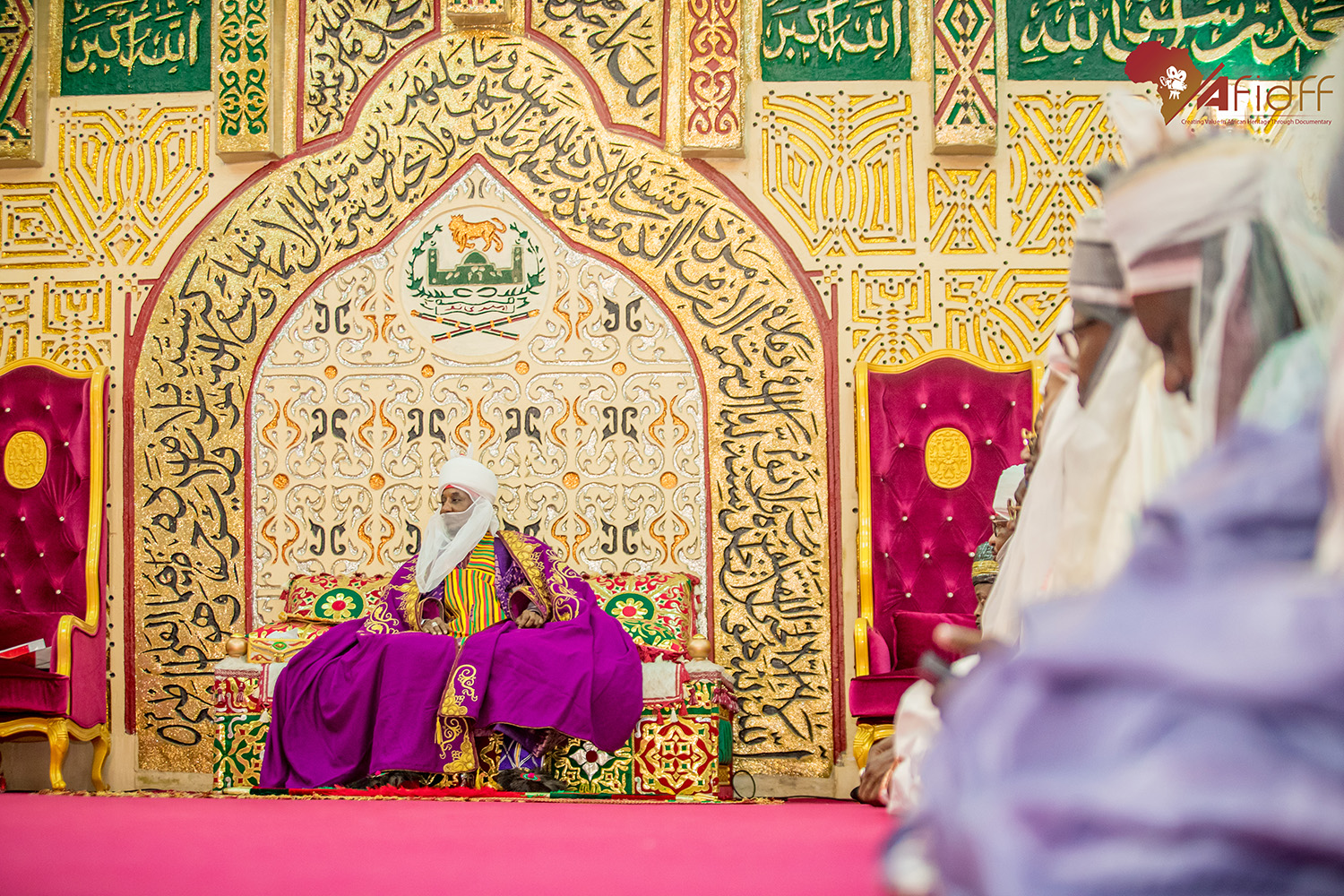










1_thumbnail.jpg)
_thumbnail.jpg)
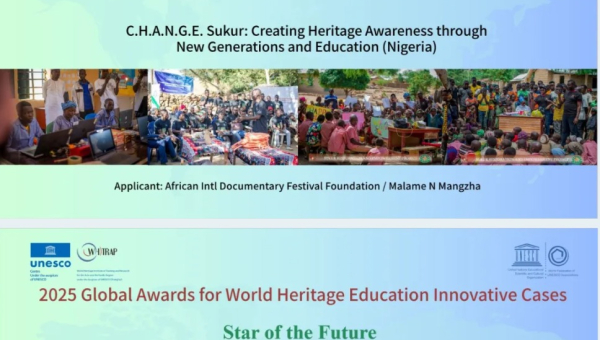
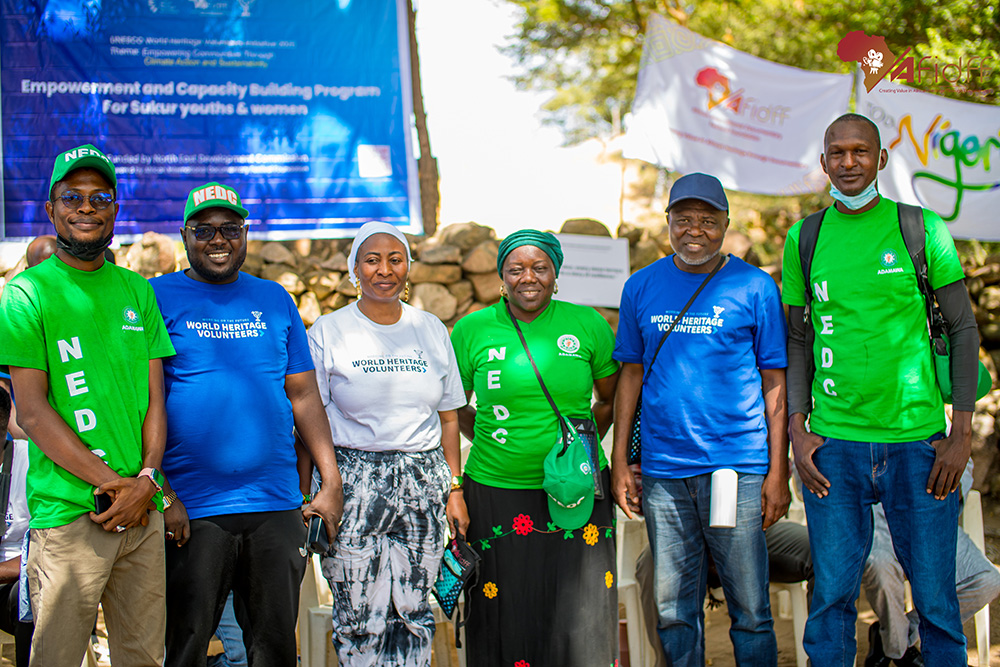
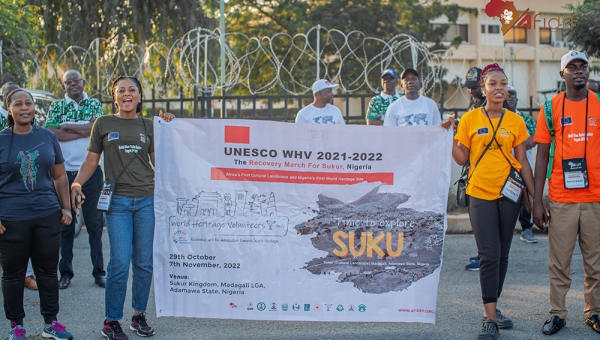
The African International Development and Festival Foundation (AFIDFF) and its partners invite interested volunteers and participants to join and register for the 2025 UNESCO World Heritage Volunteers (WHV) Initiative at the Sukur Cultural Heritage Site in Madagali, Adamawa State, Nigeria. The event is scheduled for November 2nd to 9th , 2025, with the theme “Working on the Future.” This unique opportunity allows you to contribute to preserving Nigeria’s first World Heritage Site and Africa’s first Cultural Landscape while experiencing the rich cultural heritage of the Sakun people of Sukur. For the fourth time, UNESCO has approved AFIDFF and its implementing partners for the 2025 project.
About the Sukur Cultural Heritage Project
The Action camp at Sukur Cultural Landscape is part of the World Heritage Volunteers Initiative, aimed at protecting, preserving and promoting cultural heritage sites. The program seeks to raise awareness and enhance youth involvement both locally and globally in implementing the 1972 Convention on the Protection of the World Cultural and Natural Heritage. UNESCO has selected Sukur Cultural Landscape, located on a hill above the village of Sukur in the Adamawa State of Nigeria. It is situated in the Mandara Mountains, close to the border with Cameroon. Sukur is Africa’s first cultural landscape to receive a World Heritage List inscription. Sukur Cultural Landscape is selected among 89 action camp projects that will be implemented from April to December 2025 at 82 World Heritage properties and sites on the Tentative Lists, by 70 organizations in 41 countries around the globe. With the theme: Sukur’s Legacy: Empowering Communities Through Climate Action and Sustainability
Project Goal
The project aims at raising awareness of the site’s significance, transmitting traditional skills to youth, fostering collaboration among different stakeholders, strengthening cultural and environmental resilience, promoting economic self-sufficiency, providing research materials, advocating for gender equality, and addressing climate change through sustainable practices and education
Project Activities
The activities will address traditional system needs, including architecture, crafts, and restoration. Volunteers will study Sukur vernacular architecture, focusing on termite-resistant circular huts, and revive traditional ironworks and crafts with local guilds. Workshops will cover sustainable development, eco-friendly agriculture, literacy, and small-scale entrepreneurship. Climate action activities, such as tree planting, climate resilience sessions, and sustainable land use promotion, will support environmental sustainability. These efforts aim to enhance global awareness, boost Sukur's ecotourism economy, and empower the community through education and skill development.
About the Sukur Cultural Landscape, Nigeria: Cultural property inscribed on the World Heritage List (1999)
Sukur is located in Madagali local government area of Adamawa state of Nigeria along Nigeria/ Cameroon border, some 290 km from Yola, the Adamawa state capital of north eastern Nigeria. It is a hilltop settlement which stood at an elevation of 1045 m. The total land area covered by the site is 1942.50 ha with core zone having 764.40 ha and the buffer zone 1178.10 ha respectively. Sukur is an ancient settlement with a recorded history of iron smelting technology, flourishing trade, and strong political institution dating back to the 16th century.
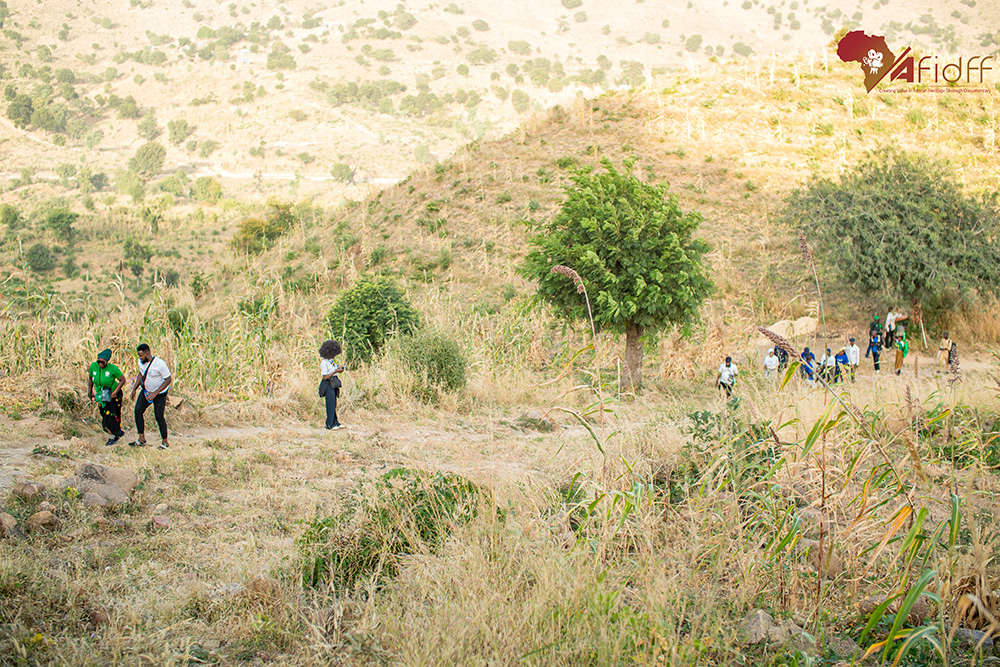
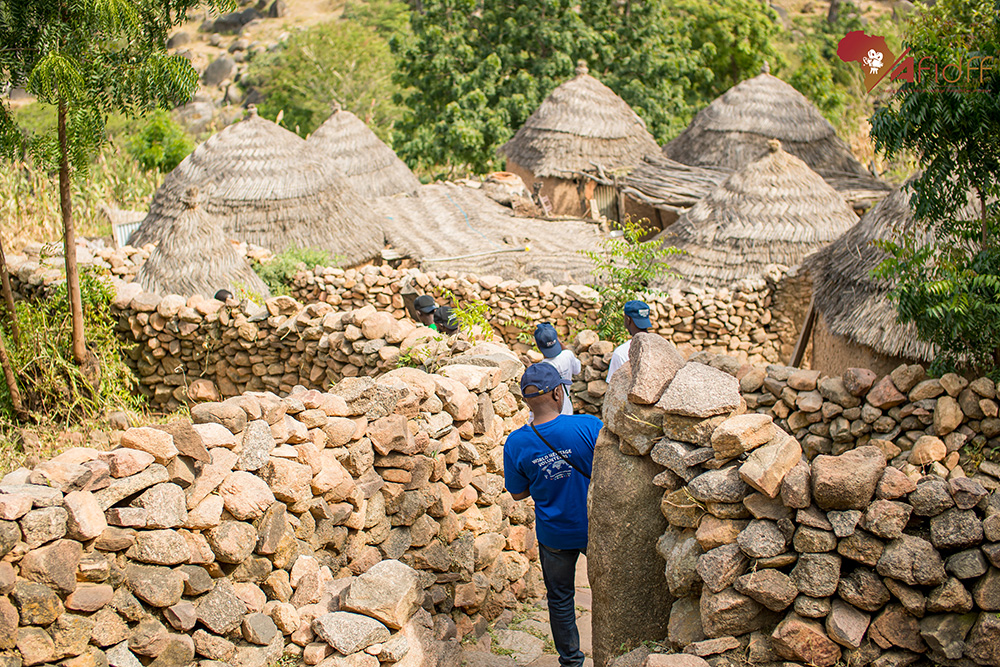
The landscape is characterized by terraces on the farmlands, dry stone structures and stone paved walkways. The terraced landscape at Sukur with its hierarchical structure and combination of intensive and extensive farming is remarkable. In addition, it has certain exceptional features that are not to be found elsewhere, notably the use of paved tracks and the spiritual content of the terraces, with their ritual features such as sacred trees.
Involvement of International Volunteers:
International volunteers will act as ambassadors for Sukur World heritage site to promote environmental stewardship and heritage preservation.
Skills Learned by Volunteers: Teamwork, cultural awareness, environmental education, project management, resilience, fieldwork, and research skills.
Volunteer Role
- Preservation Activities: Engaging in hands-on tasks such as maintaining and restoring dry-stone walls, wood structures, straw roofs, and mountain trails to preserve the traditional architecture and landscape of Sukur.
- Cultural Heritage Education: Learning and applying traditional techniques in producing iron tools, crafting artisanal handcrafts, and creating items like baskets, pottery, and calabashes.
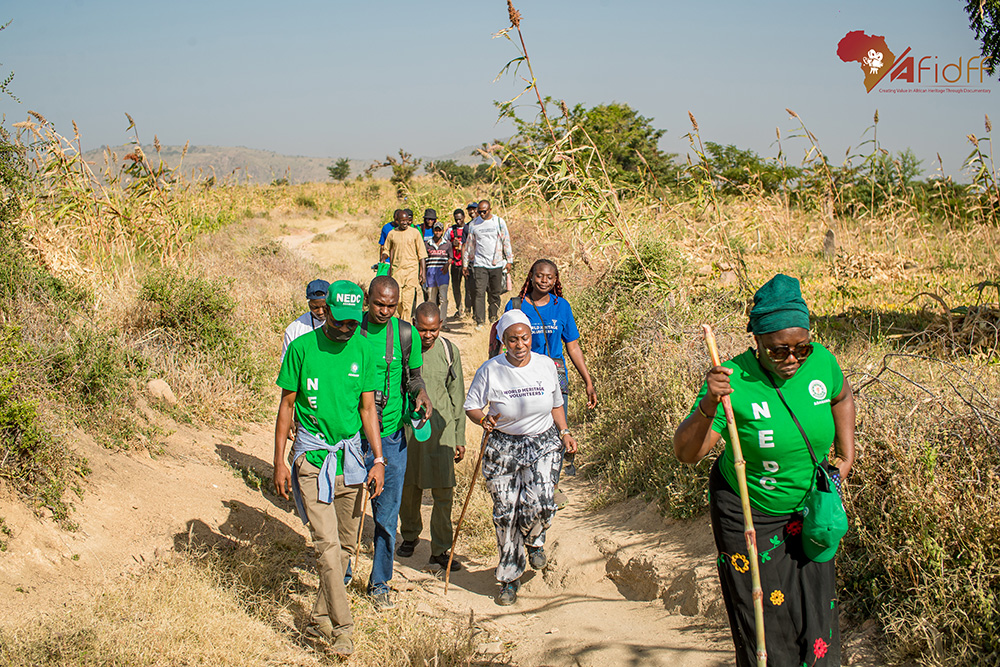
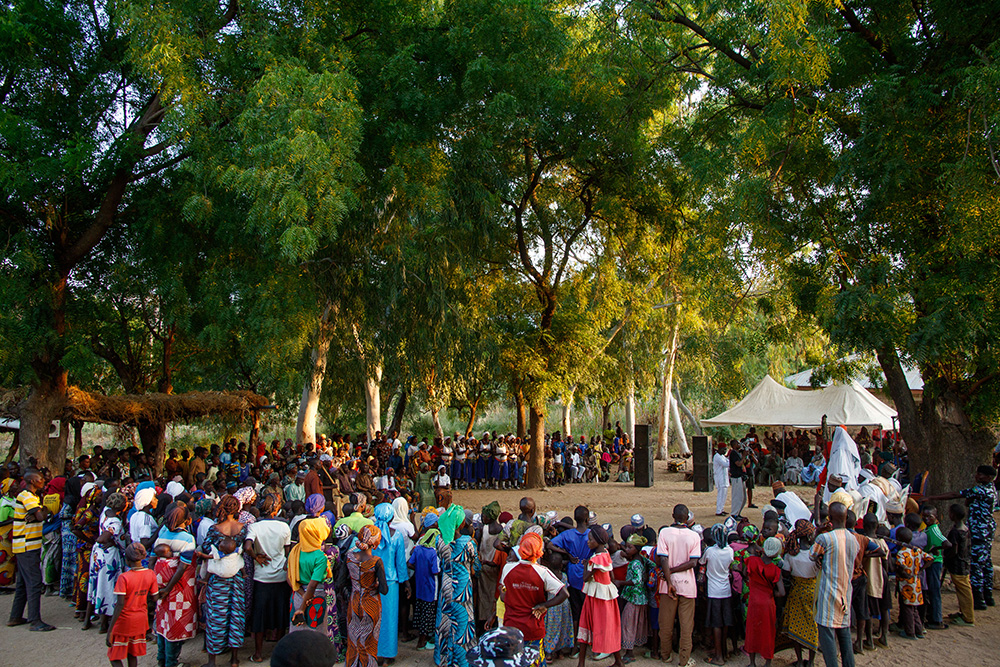
- Awareness-Raising: Organizing and participating in activities to raise awareness about the importance of cultural heritage preservation, including hiking, musical evenings, and performing arts.
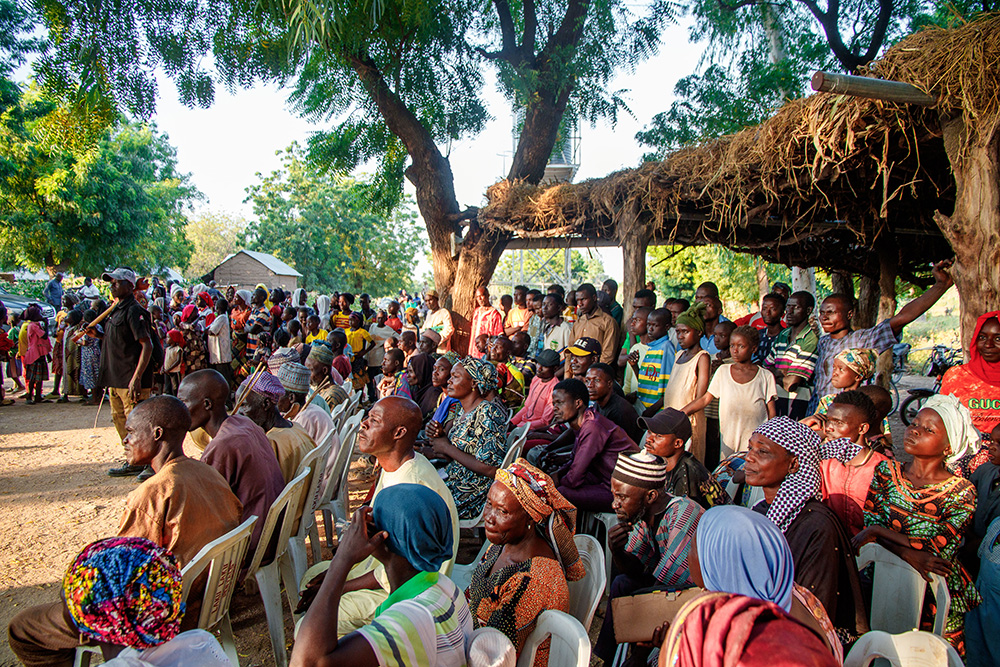
- Community Engagement: Collaborating with local communities to strengthen the cultural bonds and enhance the understanding and appreciation of Sukur's heritage.
- Documentation and Promotion: Assisting in the production of a documentary and that highlights the activities performed during the initiative and promotes the Sukur Cultural Landscape.
- Innovation and Education: Contributing to innovative projects and educational workshops aimed at fostering resilience and sustainability within the community
Volunteer Benefits:
- Receive an official certificate from the implementing organizations and UNESCO-affiliated bodies, recognizing your contribution.
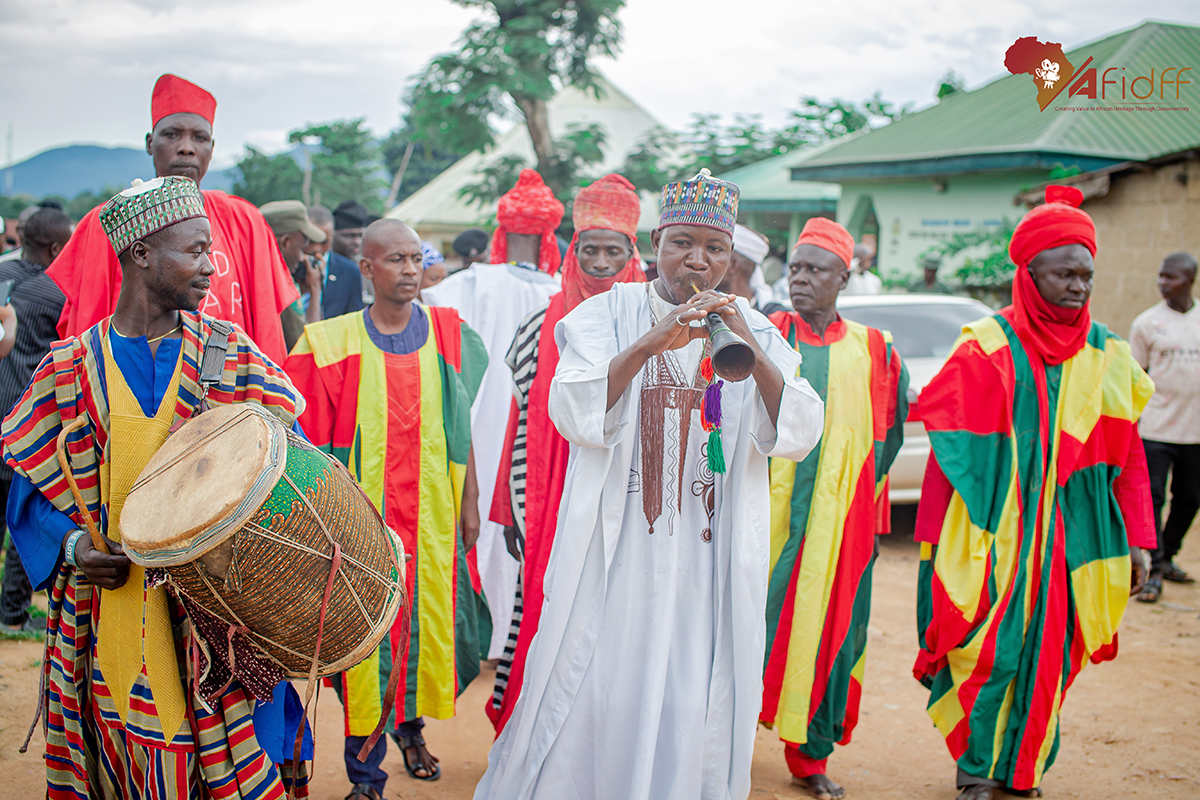
- Cultural Immersion: Volunteers get the unique opportunity to immerse themselves in the rich cultural heritage of the Sukur people, gaining a deeper understanding and appreciation of their traditions and history.
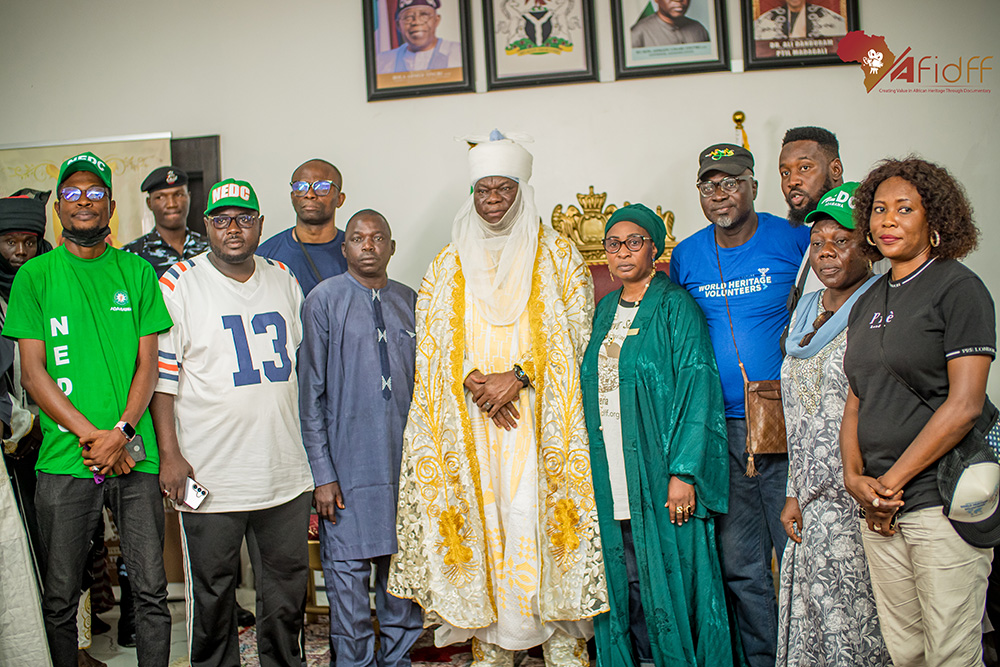
- Meeting with the Hidi (Chief-in-Council) of Sukur Kingdom, the coveted throne that has been sustained for over 600 years
- Connect with experts, scholars, government officials, development partners, and fellow youth leaders from around the world.
- Hands-On Experience: Engaging in preservation activities provides practical experience in traditional architecture, craftsmanship, and cultural heritage conservation techniques.
- Skill Development: Participants can develop and enhance a range of skills, including project management, teamwork, leadership, and specific technical skills related to restoration and conservation.
- Community Engagement: Working closely with local communities fosters meaningful connections and cultural exchange, promoting mutual respect and understanding.
- Access to the Ancient Shrines and other anthropologically sensitive sites of history in the Sukur Kingdom and the surrounding communities.
- Engage with local culture and interact with indigenous communities.
- Strengthen ties and cooperation between organizations and agencies involved in the project.
- Hiking on the Madara mountain
- Gain skills in photography, mapping, video production, and oral history collection for heritage promotion.
Eligibilities
- Volunteers must be at least 18 years old. There is no upper age limit, but participants should be physically fit to meet the demands of the program.
- Volunteers must be available for the entire duration of the program, which typically lasts for 10 days
- Proficiency in English is required as it is the primary language of communication during the program.
- A genuine interest in conservation, wildlife protection, and cultural heritage is essential.
- The ability to work well in a team is crucial as volunteers will be collaborating with others in various activities.
- Volunteers must be in good physical health and able to participate in physically demanding activities such as hiking, camping, manual labor, and other outdoor tasks.
- Volunteers must provide a medical certificate confirming they are fit to participate in the program at the point of registration during the camp.
- Volunteers should disclose any allergies or chronic medical conditions that may affect their participation. Necessary medications and medical supplies should be brought by the volunteers.
- Comprehensive health insurance that covers international travel and activities in remote areas is mandatory for international volunteers
Eligible Regions - Open for All
Dates: 2nd to 9th November 2025
Participant Fees:
- International Volunteers: $150 excluding travel expenses.
- Local Volunteers: N35,000, Excluding travel expenses.
(The Participation fees include – Accommodation, food, materials for hands-on activities, and Local Transportation for the duration of the entire program)
NOTE: Spaces are limited to on a first-come, first-served basis.
Reference Link to UNESCO Website: https://whc.unesco.org/en/volunteers2025/
Registration Deadline: 31st July 2025
Together, let's preserve our heritage and empower communities!
Implementing Partners 2025
-
Adamawa State Government
-
National Commission for Museums and Monuments
-
Adamawa State Ministry of Culture and Tourism
-
Adamawa State Agency for Museums and Monuments
-
North-East Development Commission
-
Sukur Traditional Council
-
Sukur Development and Youth Association
-
Sukur Students Association
-
Nigerian Red Cross Society
-
Nigerian Television Authority
-
News Agency of Nigeria
-
Nigerian Tourism Development Authority
-
American University of Nigeria
-
National Council for Arts and Culture
-
Sukur Youth Development Association
-
National Association of Sukur Students
-
Kinjir Foundation
-
National Institute for Cultural Orientation
-
Centre for Black and African Arts and Civilization
-
Nigerian Erosion and Water Management Project
-
National Agency for the Great Green Wall
-
National Council for Climate Change















Join the 2025 UNESCO World Heritage Volunteers Initiative at Gashaka Gumti National Park
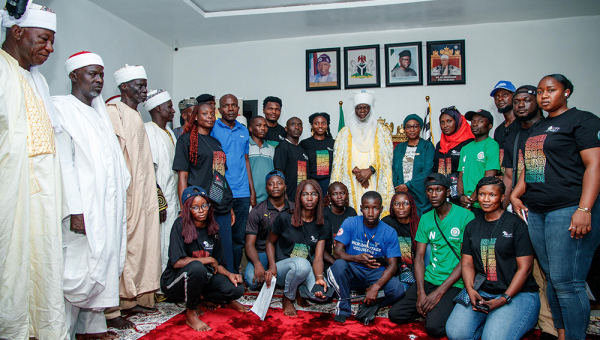
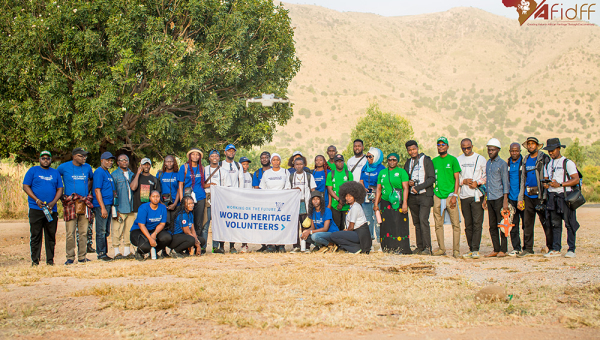
The African International Documentary Festival Foundation (AFIDFF) and its partners call on environmental enthusiasts, cultural ambassadors, and global changemakers to join the 2025 UNESCO World Heritage Volunteers (WHV) Initiative at Gashaka Gumti National Park and the Mambila Plateau in Taraba State, Nigeria. The event is scheduled for 28th September – 7th October 2025.
The theme for this year's initiative is “Working on the Future.” This unique opportunity allows you to contribute to the preservation of one of Nigeria’s most treasured national monuments while experiencing the rich cultural heritage of the Mambila Plateau.
Be part of a life-changing experience to protect Nigeria’s natural treasures, work with remote communities, and contribute to the global campaign for World Heritage recognition.
Let’s sustain heritage, together.
About the Gashaka Gumti National Park Project
The Action camp at Gashaka Gumti National Park and the Mambila Plateau is part of the World Heritage Volunteers Initiative, aimed at preserving and promoting cultural and natural heritage sites. The program seeks to raise awareness and enhance youth involvement both locally and globally in implementing the 1972 Convention on the Protection of the World Cultural and Natural Heritage. UNESCO has selected Gashaka Gumti National Park, located in the northeastern provinces of Taraba and Adamawa states Nigeria, near the border with Cameroon, to be among the 89 action camp projects will be implemented from April to December 2025 at 82 World Heritage properties and sites on the Tentative Lists, by 70 organizations in 41 countries around the globe. With the 2025 theme: “Sustaining Heritage: Conservation and Community for World Heritage Recognition.”
Project Goal
The Gashaka Gumti National Park project aims to preserve and protect the national park's outstanding scenic, natural, scientific, recreational, and significant property values. It focuses on maintaining important wetlands and water catchment areas, exploring the linkage between nature, culture, and human activities, and documenting the park's attributes to produce a Nomination Dossier for UNESCO World Heritage Site inscription.
The 2025 project aims to build on 2024 outcomes to enhance biodiversity conservation and protect cultural heritage. It focuses on empowering local communities through eco-tourism, sustainable agriculture, and renewable energy. The initiative will promote environmental awareness through education on climate change and sustainable practices while expanding partnerships with organizations.
Project Activities
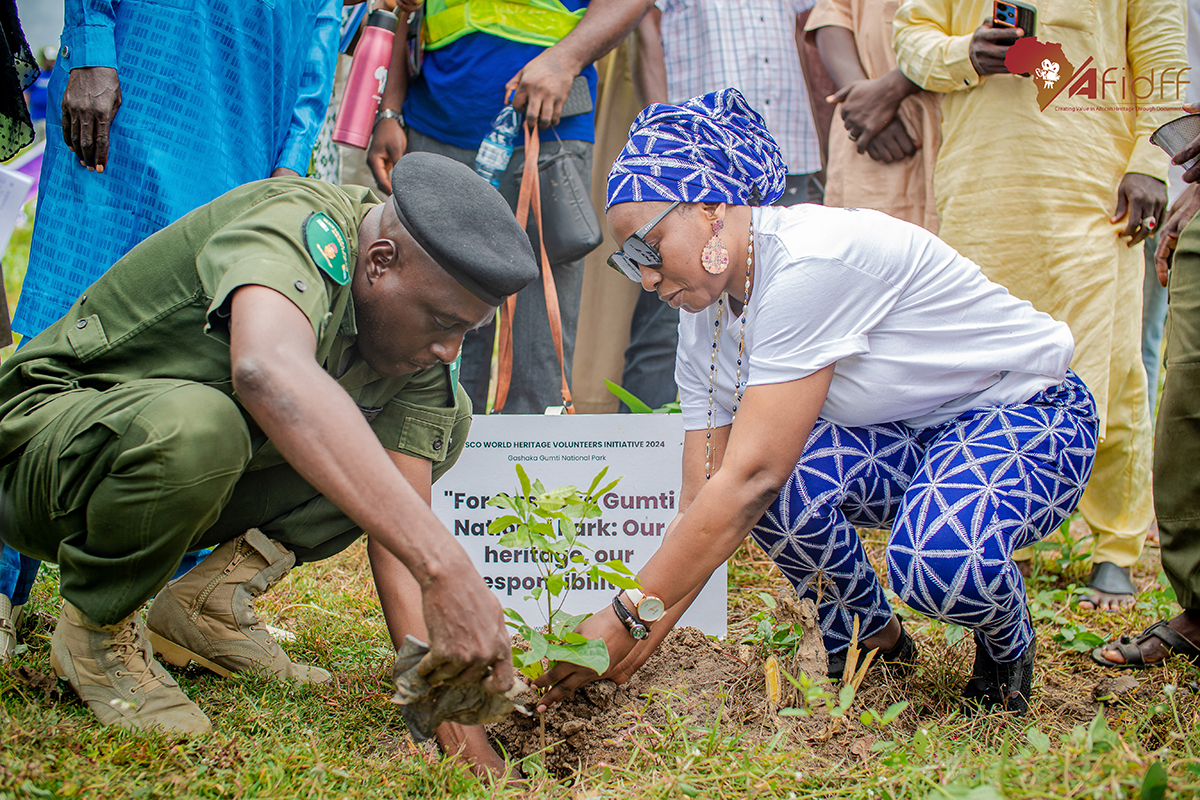
The volunteers will participate in heritage and biodiversity workshops, as well as community education and awareness-raising activities focused on conservation and sustainable development. They will engage in capacity-building sessions alongside local leaders and community members to strengthen skills in conservation and eco-tourism management, contributing to long-term environmental stewardship. The volunteers will also participate in hands-on activities such as wildlife and biodiversity monitoring, water resource management, and tree-planting campaigns. In addition, they will support community-driven eco-tourism initiatives and take part in stakeholder forums involving local, national, and international partners to review project progress and explore opportunities for future collaboration.
About the Gashaka Gumti National Park and the Mambila Plateau
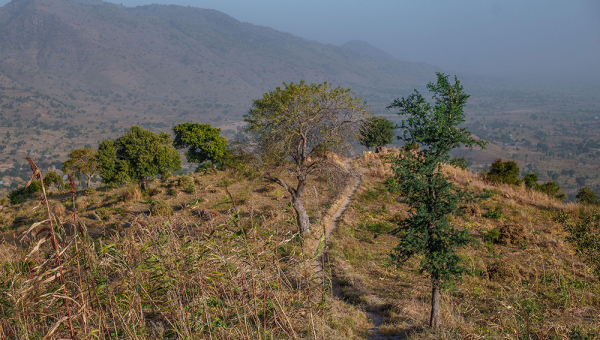
Gashaka Gumti National Park, Nigeria’s largest park with its highest peak, Chappal Wadi (the "Mountain of Death") at 2,400 meters, is an untouched wilderness that has remained largely unchanged for thousands of years. The park spans the eastern provinces of Taraba and Adamawa states, boasting a diverse ecosystem that includes riverine and swamp areas, lush rainforests, savannahs, and mountainous terrains. Covering about 6,402 square kilometers (2,427 square miles), it harbors a variety of wildlife species, such as elephants, forest hog, leopard, hippopotamus, buffalo, hartebeest, yellow-backed duiker, chimpanzees, gorillas, antelopes, monkeys, rare freshwater fish and an abundance of bird life. It also has cultural and historical significance, containing ancient iron smelting sites, burial grounds, shrines, and rock paintings. The park is home to various endangered species, making it a critical area for conservation efforts.
The Mambila Plateau is a highland region of scenic beauty and rich biodiversity that covers about 9,389 square kilometers (3,626 square miles) in the southern part of the state. It is home to various ethnic groups, such as the Mambilla, Kaka, Fulani, Panso, and Ndola, and is the cradle of the Bantu people of southern and east Africa. These groups have distinctive cultures and traditions. The Mambila Known for its stunning landscapes and cool climate, the plateau is a cultural and ecological gem. Its unique environment and rich biodiversity offer an unparalleled backdrop for this year’s WHV initiative. The plateau also hosts several natural attractions, such as waterfalls, lakes, caves, rock formations, and rare plant and animal species. It is also the home of Nigeria’s largest tea plantation (Highland tea) with over 600,000 hectares of land.
Skills Learned by Volunteers:
Teamwork, cultural awareness, environmental education, project management, resilience, fieldwork, and research skills.
Involvement of International Volunteers: International volunteers will act as ambassadors for Gashaka Gumti Park and the Mambila Plateau, promoting environmental stewardship and heritage preservation.
Volunteer Roles
Over 10 days, volunteers will engage in activities designed to enhance their understanding of environmental conservation, cultural heritage, and community development. Participants will:
- Learn about the conservation of natural and cultural heritage sites.
- Engage in hands-on activities to protect the park’s biodiversity.
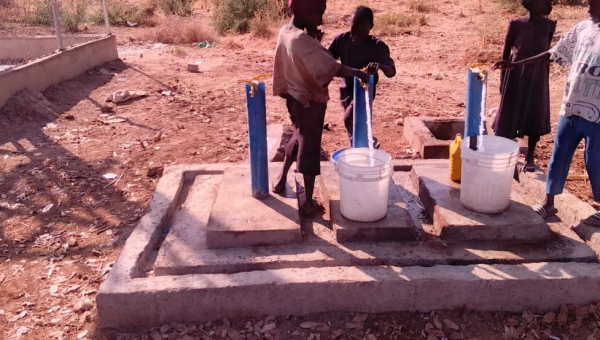
- Promote conservation awareness and sustainable livelihoods.
- Document and preserve cultural heritage sites and traditions.
- Assist with fieldwork, data collection, and analysis.
- Monitor water quality and restore watersheds.
- Track and record various species within the park.
- Restore degraded areas and expand forests.
- Participate in various workshops and training sessions.
Volunteer Benefits:
- Receive an official certificate from the implementing organizations and UNESCO-affiliated bodies, recognizing your contribution.
- Learn about conservation, biodiversity, and sustainable development.
- Gain fieldwork techniques, environmental education, community engagement, and heritage preservation skills.
- Connect with experts, scholars, government officials, development partners, and fellow youth leaders from around the world.
- Connect with nature, learn new skills, and positively impact the environment and local communities.
- Engage with local culture and interact with indigenous communities.
- Strengthen ties and cooperation between organizations and agencies involved in the project.
- Gain skills in photography, mapping, video production, and oral history collection for heritage promotion.
- Participants will be presented with Certificate of participation.
- Outdoor camping that will offers a designated spot for those seeking a rustic experience.
- Safari and Nature Walk volunteers will explore the vast park, creating lasting memories.
- Hiking on Nigeria’s highest mountain peak (CHAPPAL WADDI).
- Experience cultural exchanges with local communities and other international volunteers
Eligibilities
- Volunteers must be at least 18 years old. There is no upper age limit, but participants should be physically fit to meet the demands of the program.
- Volunteers must be available for the entire duration of the program, which typically lasts for 10 days
- Proficiency in English is required as it is the primary language of communication during the program.
- A genuine interest in conservation, wildlife protection, and cultural heritage is essential.
- The ability to work well in a team is crucial as volunteers will be collaborating with others in various activities.
- Volunteers must be in good physical health and able to participate in physically demanding activities such as hiking, camping, manual labor, and other outdoor tasks.
- Volunteers must provide a medical certificate confirming they are fit to participate in the program at the point of registration during the camp.
- Volunteers should disclose any allergies or chronic medical conditions that may affect their participation. Necessary medications and medical supplies should be brought by the volunteers.
- Comprehensive health insurance that covers international travel and activities in remote areas is mandatory for international volunteers
Eligible Regions: Open for All
Dates: 28th September – 7th October 2025
Participation Fees: (The Participation fees include – Accommodation, food, materials for hands-on activities, and Local Transportation for the duration of the entire program)
Nigeria (Local) Participants: N35,000
Foreign (International) Participants: $150
NOTE: Spaces are limited on a first-come, first-served basis.
Reference Link to UNESCO Website: https://whc.unesco.org/en/volunteers2025/
Implementing Partners 2025
-
Taraba State Government
-
Taraba State Ministry of Heritage and Eco-Tourism
-
Federal Ministry of Environment
-
National Parks Service
-
Nigeria National Commission for UNESCO
-
National Commission for Museums and Monuments
-
National Council for Arts and Culture
-
Nigerian Tourism Development Authority
-
Nigerian Red Cross Society
-
North-East Development Commission
-
National Institute for Cultural Orientation
-
Nigerian Film and Video Censors Board
-
National Troupe of Nigeria
-
Gashaka Traditional Council
-
Gashaka Local Government
-
Sardauna Local Government and Traditional Council
-
Ani Foundation
-
Nigerian Erosion and Water Management Project
-
National Agency for the Great Green Wall
-
Taraba State University
-
Nigerian Television Authority
-
News Agency of Nigeria
-
Highland Tea Farm Kakara