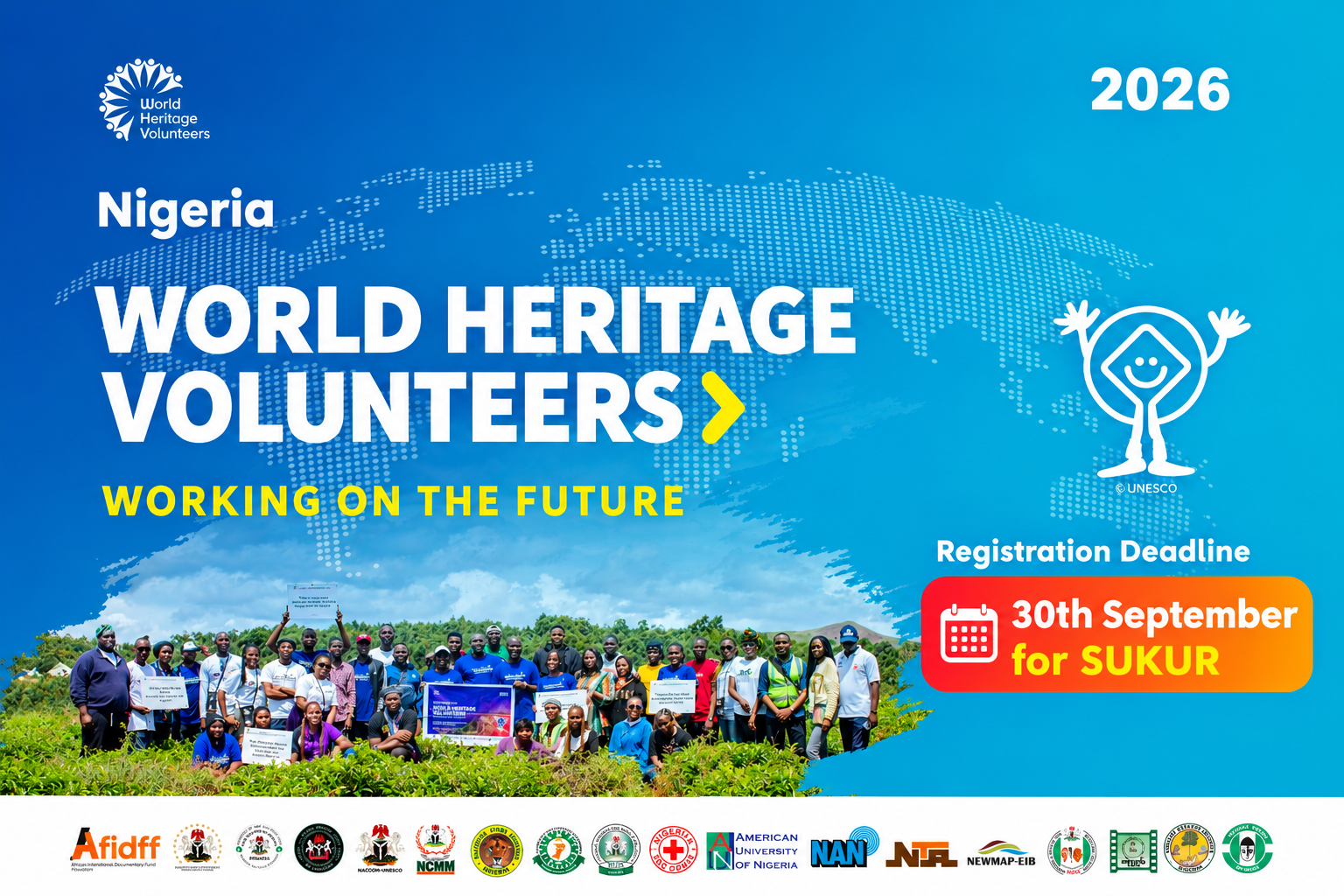
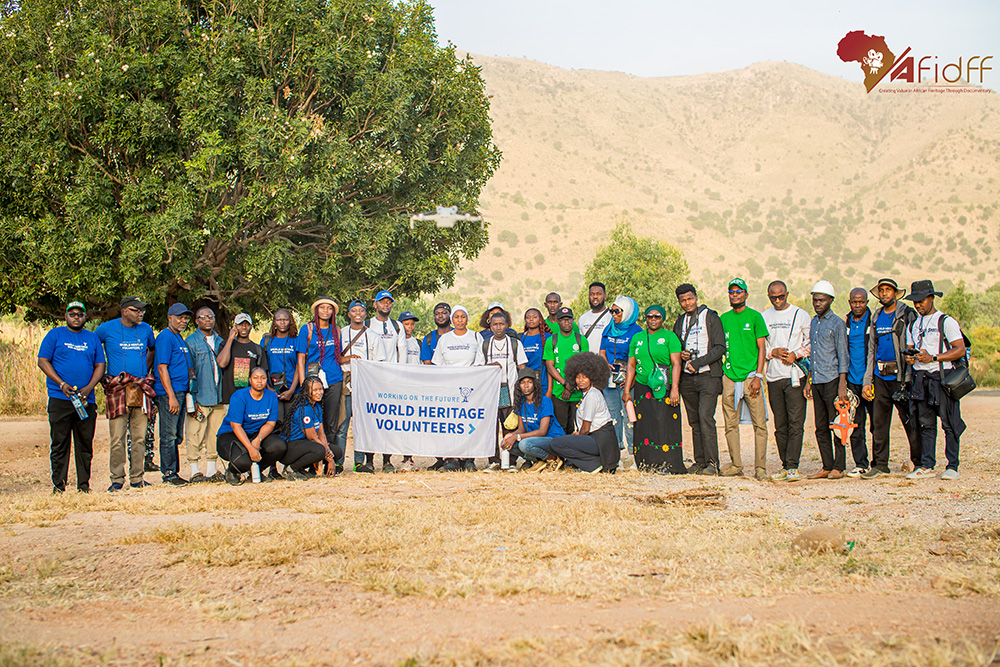
The African International Documentary Festival Foundation (AFIDFF) has successfully concluded the UNESCO World Heritage Volunteers (WHV) 2025 Action Camp at the Sukur Cultural Landscape in Adamawa State, reinforcing national and community-led efforts in heritage preservation, climate resilience, and youth empowerment.
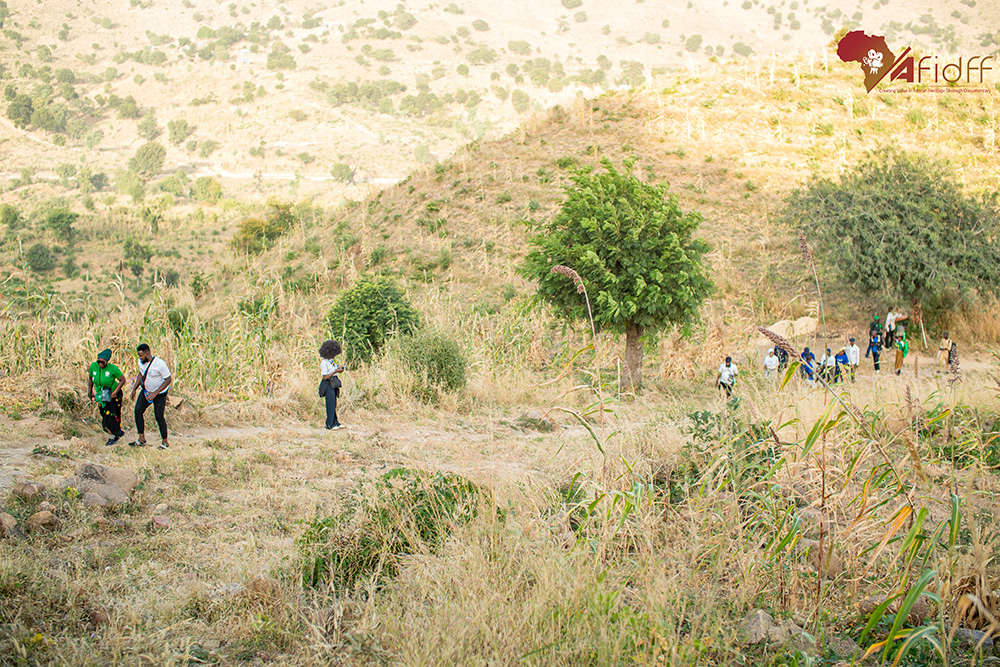
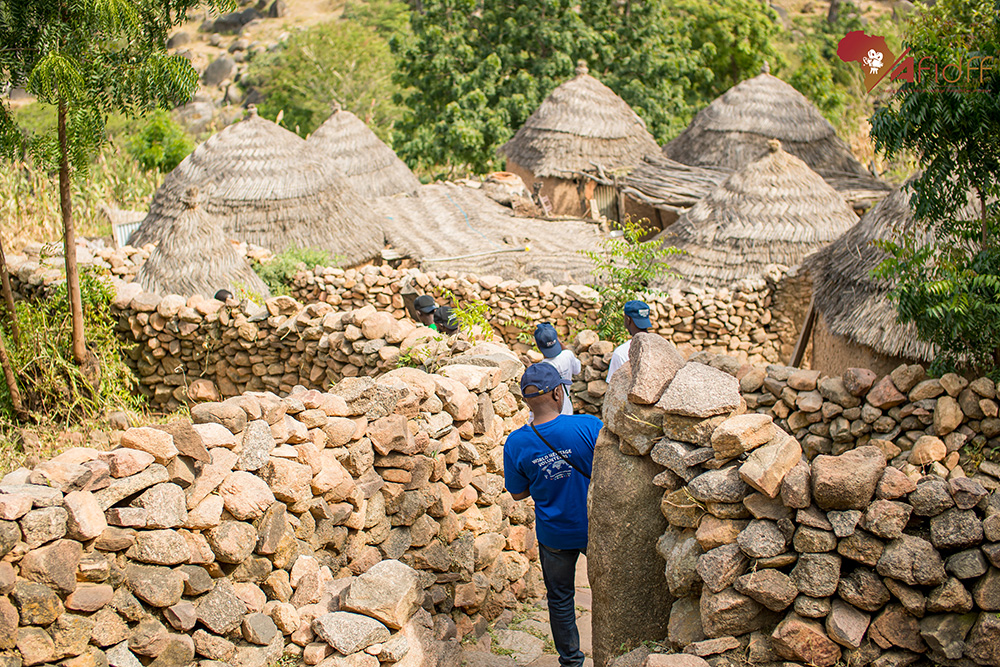
As Nigeria’s first UNESCO World Heritage Site, Sukur once again served as a living classroom where culture, environment, and community stewardship converged.
The Action Camp was implemented with support from the North East Development Commission (NEDC) and technical and institutional leadership from the National Commission for Museums and Monuments (NCMM), alongside the support of the Adamawa State Government and a broad coalition of public institutions, academic partners, civil society organizations, traditional authorities, and community groups.
Designed to deepen public awareness of Sukur’s Outstanding Universal Value while strengthening local capacity, the WHV Sukur 2025 Action Camp combined hands-on field activities, non-formal education, and community engagement to sustain the site’s living heritage. The programme promoted gender inclusion, youth leadership, socio-economic resilience, and environmental responsibility, equipping participants with practical skills to protect both cultural identity and natural resources.
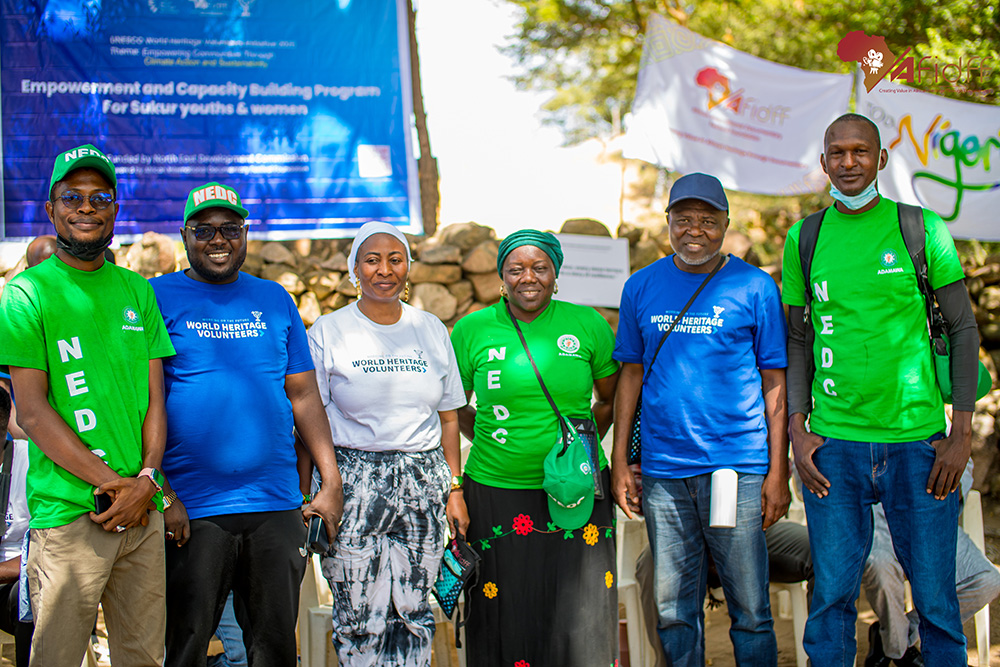
A major highlight of the programme was an intensive capacity-building training involving seventy (70) Sukur youths and thirty (30) national and international volunteers. Participants received training in heritage conservation, responsible tourism, traditional architecture, oral history, indigenous crafts, and environmental education. Special attention was given to Sukur’s renowned smelting and forging traditions, reinforcing the transmission of indigenous knowledge systems.
In alignment with global climate priorities, the Action Camp also featured a specialized module and formal launch of the Sukur Heritage Carbon Market Initiative, developed by AFIDFF and partners. Anchored on the Sukur WHV 2025 local theme: “Empowering Communities through Climate Action and Sustainability”, the initiative promotes carbon literacy, tree-based livelihood practices, and community ownership of nature-based solutions, positioning Sukur as a pilot model linking heritage conservation with climate finance.
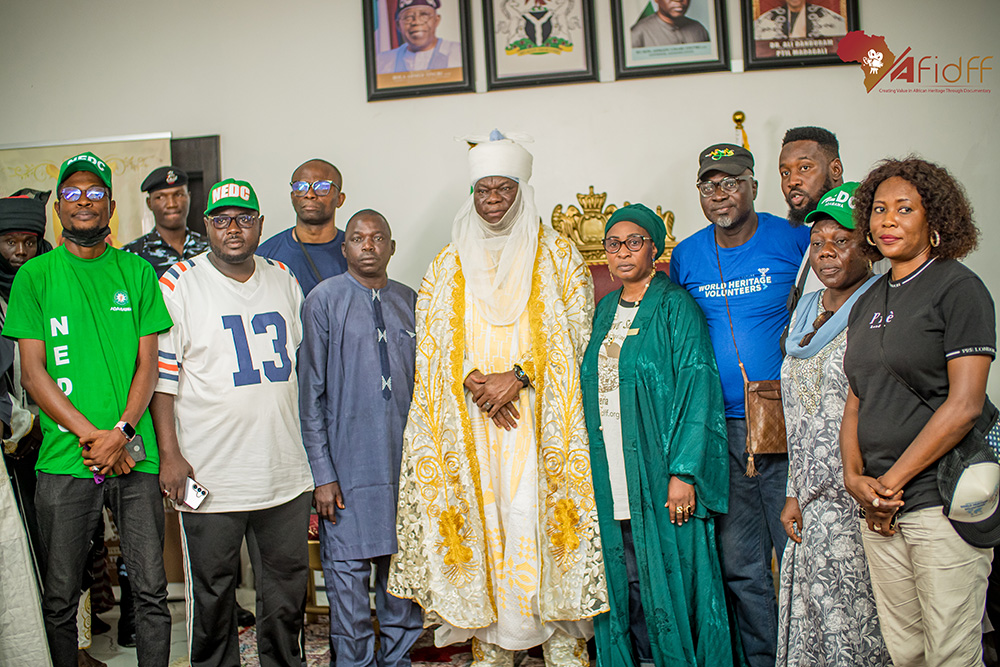
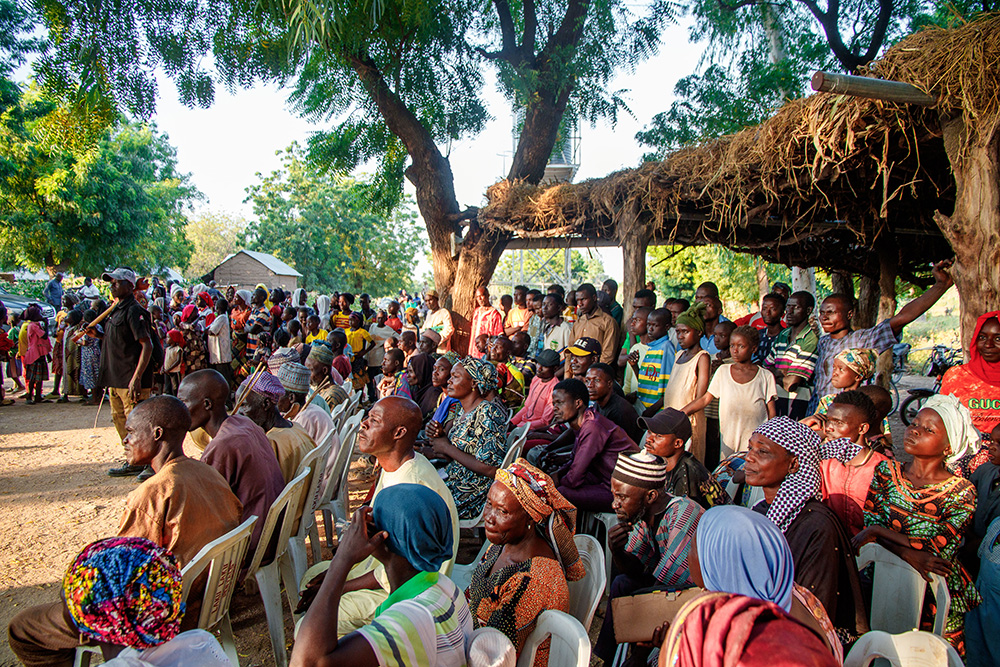
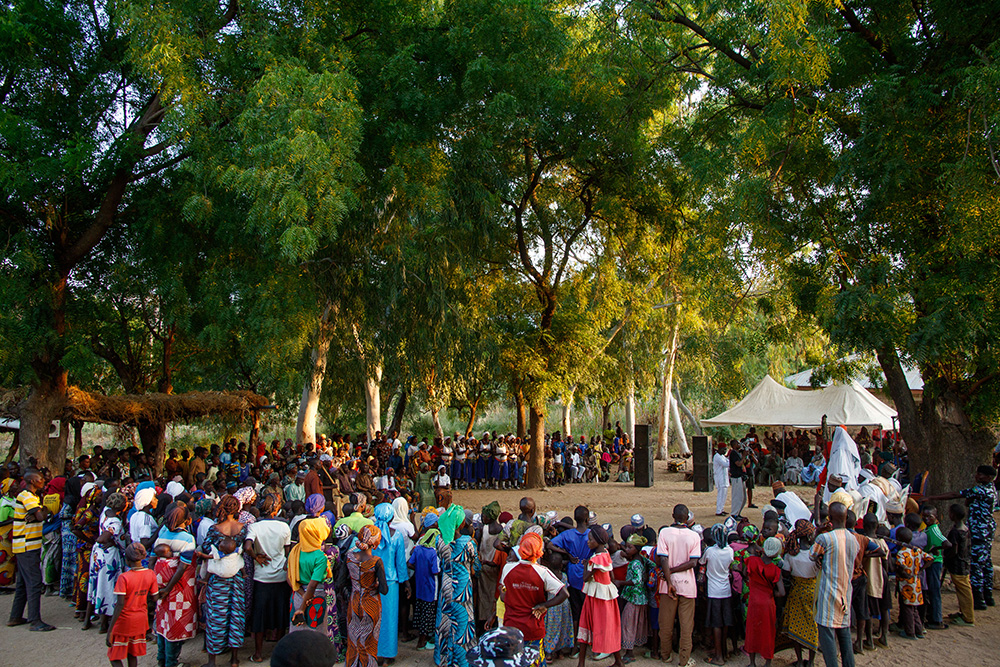
As part of established cultural protocol, the AFIDFF delegation paid homage to His Royal Highness, Dr. Ali Danburam Ptil of Madagali, who welcomed the initiative, commended AFIDFF’s sustained engagement in Sukur, and reaffirmed full community support for the carbon market programme. He emphasized the importance of community ownership to ensure long-term benefits for the people of Sukur.
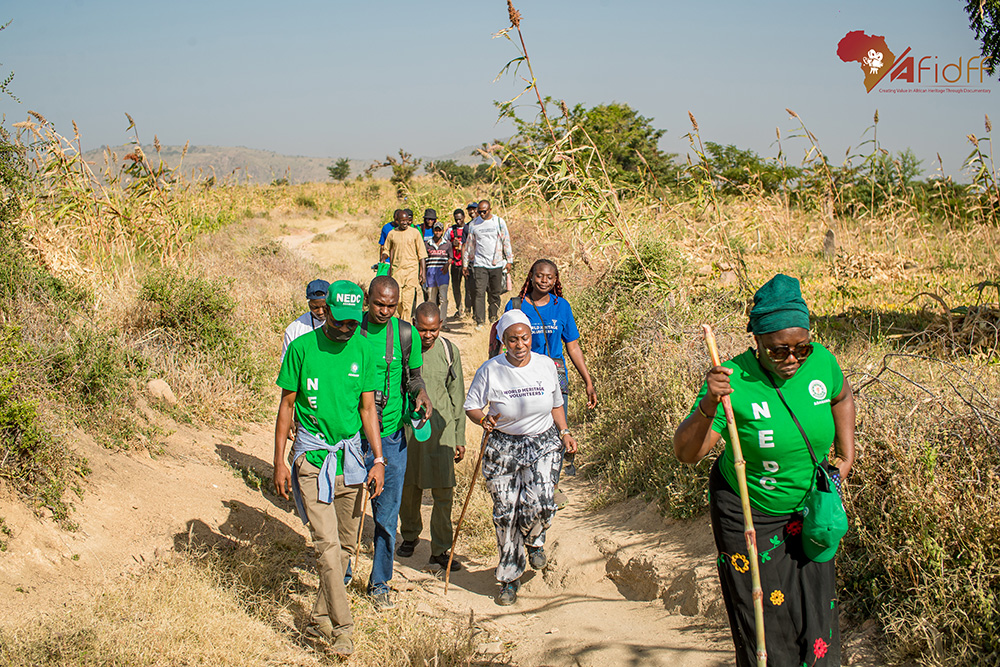
Throughout the Action Camp, volunteers participated in heritage documentation, cultural immersion, environmental restoration activities, and structured engagements with traditional custodians, whose knowledge remains central to Sukur’s identity. These activities expanded research materials, strengthened conservation practices, and enhanced the site’s resilience to climate and environmental pressures.
Speaking at the close of the programme, the Director-General of AFIDFF reaffirmed the Foundation’s commitment to continued collaboration with Sukur communities, heritage authorities, and development partners to safeguard the site’s unique cultural and natural attributes. She expressed deep appreciation to all partners and volunteers whose collective efforts ensured the success of WHV Sukur 2025.
AFIDFF extends its sincere gratitude to UNESCO, the National Commission for Museums and Monuments, the North East Development Commission, the Adamawa State Government led by His Excellency, Governor Ahmadu Umaru Fintiri, His Royal Highness Highness Dr. Ali Danburam, the Ptil Madagali; the District Head of Sukur, Sir Markus Ezra Makarma, Hidi of Sukur, Luka Gizik and all volunteers and partners whose contributions made the Action Camp a resounding success.
Through the UNESCO World Heritage Volunteers Initiative at Sukur, AFIDFF continues to champion the integration of culture, climate action, and youth empowerment, ensuring that the legacy of Sukur is protected, celebrated, and sustained for generations to come.
https://youtu.be/HBdmzGhfnrI?si=gvvpDd1JN-wS9CN4